
Shorthand Case Study

How Save the Children drives awareness and donations with Shorthand

Save the Children International uses Shorthand to publish faster, reach further, and lead the conversation on topics that matter.

Sample imagery from Save the Children's Shorthand stories and reports built with Shorthand.

Goal

Communicate impact and drive donations.

131,000 (and counting)  views on ‘What’s happening in DRC?’
Increased donations  linked to higher story engagement

Problem

Content was constrained by rigid website templates.

Rich storytelling required developer support.

Solution

Adopted Shorthand for digital publishing:

Immersive fundraising stories
High-reach awareness campaigns
Annual reports that bring impact to life

Goal

Communicate impact and drive donations.

Problem

Content was constrained by rigid website templates.

Rich storytelling required developer support.

Solution

Adopted Shorthand for digital publishing:

Immersive stories
Impact reports
Mass-market reach

131,000 (and counting)  views on ‘What’s happening in DRC?’
Increased donations  linked to higher story engagement

Save the Children International works with children, communities, and partners around the world to help those affected by conflict, disaster, hunger, and disease.

Some of my proudest work has been through Shorthand.

Storytelling is key to showing donors that impact.

“People don’t always understand what we do,” says Molly Simmons, Global Digital Communications Manager at Save the Children International. “So for us, a lot of the storytelling is talking about the impact of our work, what we do for children, and the communities that we work with.”

To do that, the team needs stories that are engaging, media-rich, and quick to publish.
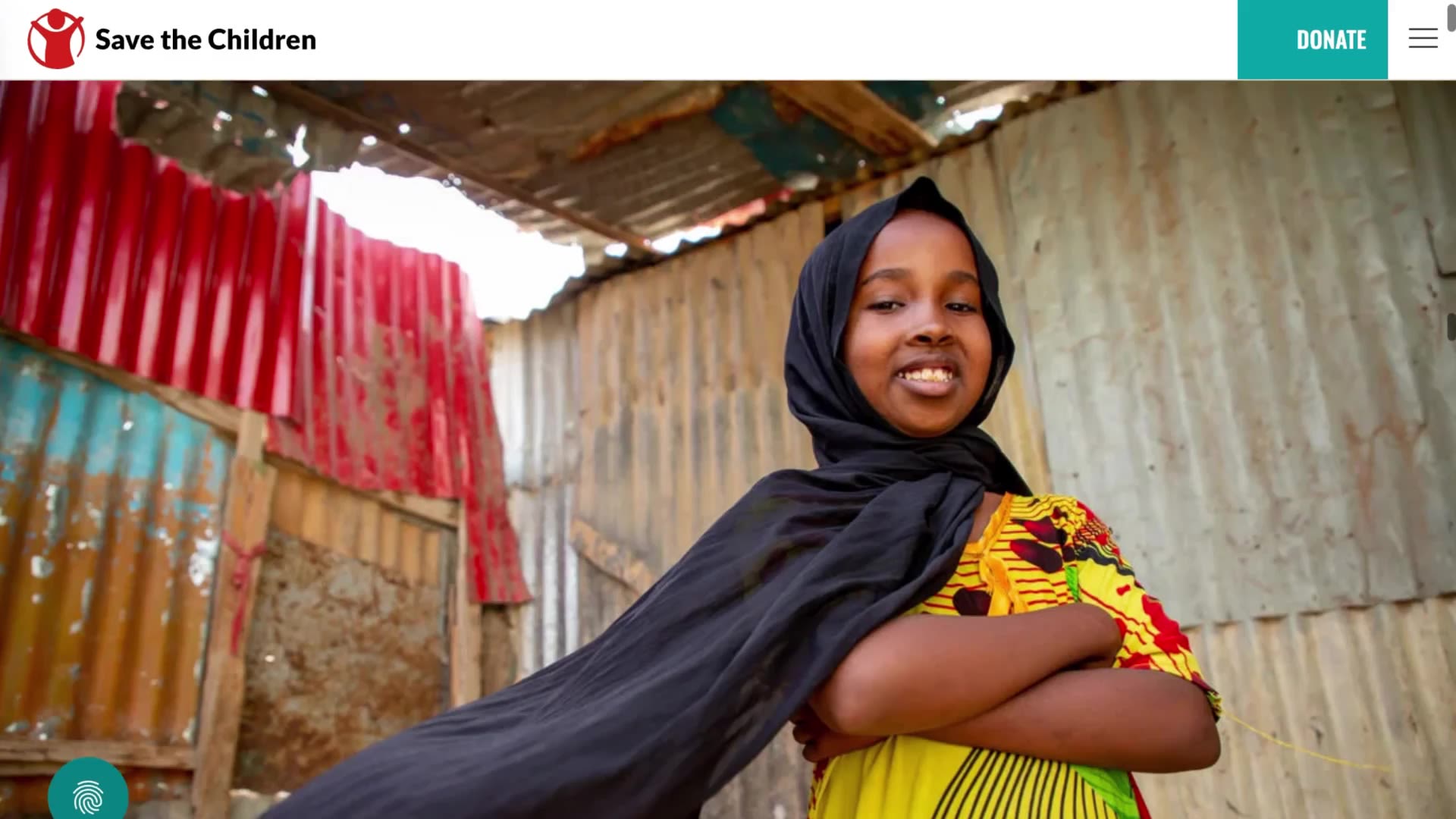
World hunger: the solution’ communicates Save the Children’s work to end hunger in three key steps.
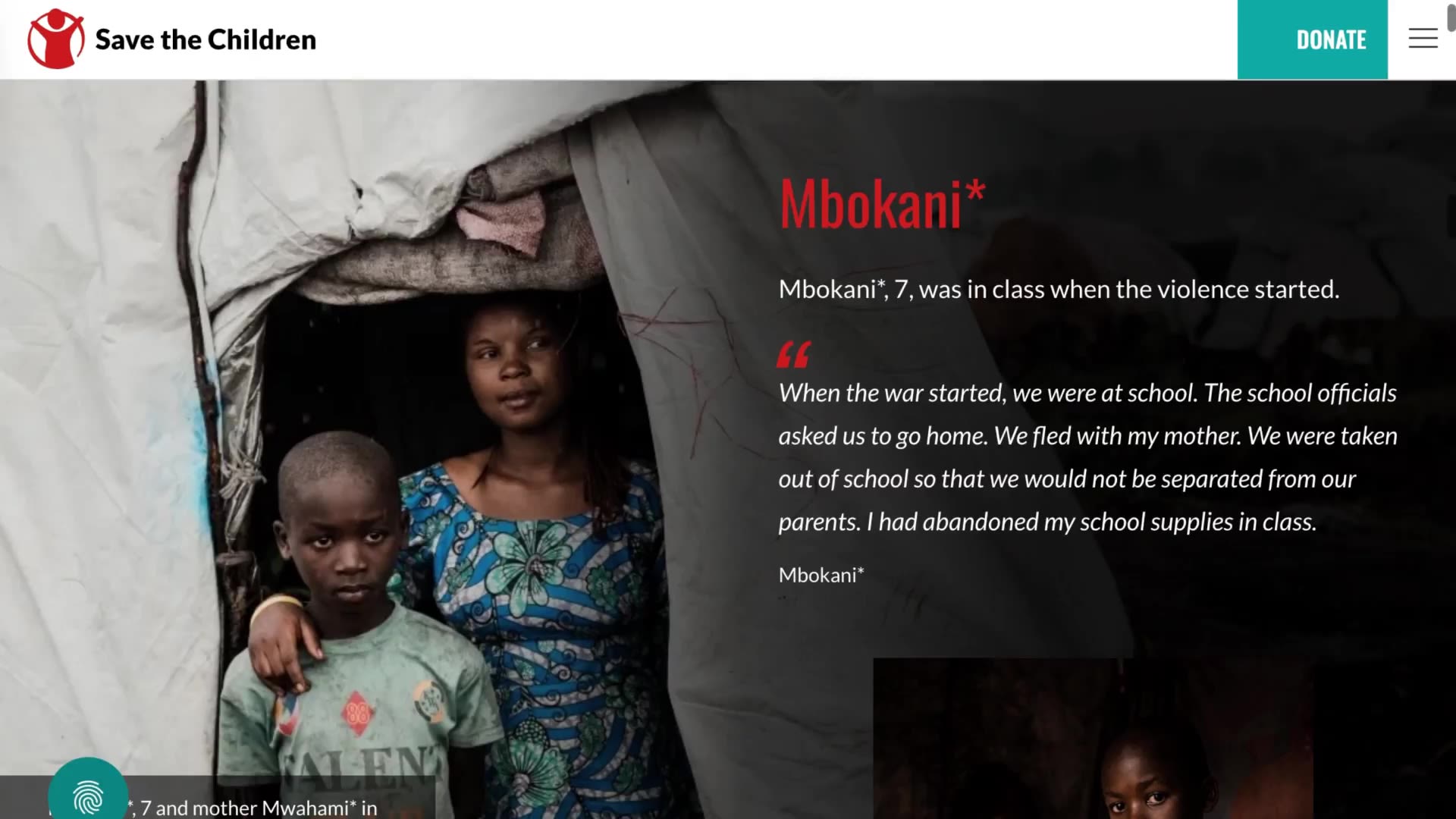
World hunger: the solution’ communicates Save the Children’s work to end hunger in three key steps.

Save the Children International works with children, communities, and partners around the world to help those affected by conflict, disaster, hunger, and disease.

Storytelling is key to showing donors that impact.

“People don’t always understand what we do,” says Molly Simmons, Global Digital Communications Manager at Save the Children International. “So for us, a lot of the storytelling is talking about the impact of our work, what we do for children, and the communities that we work with.”

To do that, the team needs stories that are engaging, media-rich, and quick to publish.

Flexible storytelling with Shorthand

Before Shorthand, the team was constrained by a rigid website and often needed developer help. “We couldn’t really move away from the template,” Simmons says. “We didn’t really have an engaging way other than ‘text, image, text’.”

You can build it quite easily, and the Support Team is always happy to review a story.

Save the Children Norway was already using Shorthand and recommended the platform to the international team. “They were really leading this engagement storytelling space and had tested a few tools already,” Simmons recalls.

Today, Save the Children International uses Shorthand for mass-market public engagement, educational content, and annual reports. “We don’t need to make a PDF and have a designer take a look,” Simmons says. Shorthand has become “an avenue for us to do storytelling quite independently.” The benefits are flexibility, speed, and support. “You can build it quite easily, and the Support Team is always happy to review a story. It feels really smooth and consistent.”

“And it’s reflected in our performance, too.”

Flexible storytelling with Shorthand

Before Shorthand, the team was constrained by a rigid website and often needed developer help. “We couldn’t really move away from the template,” Simmons says. “We didn’t really have an engaging way other than ‘text, image, text’.”

Save the Children Norway was already using Shorthand and recommended the platform to the international team. “They were really leading this engagement storytelling space and had tested a few tools already,” Simmons recalls.

Today, Save the Children International uses Shorthand for mass-market public engagement, educational content, and annual reports. “We don’t need to make a PDF and have a designer take a look,” Simmons says. Shorthand has become “an avenue for us to do storytelling quite independently.” The benefits are flexibility, speed, and support.

You can build it quite easily, and the Support Team is always happy to review a story. It feels really smooth and consistent.

“And it’s reflected in our performance, too,” Simmons says.

Publishing fast, reaching further

One particular story, ‘What’s happening in the Democratic Republic of the Congo?’ has reached 131,000 views and counting. Simmons credits the photography and the team’s speed to publish. “We were a bit ahead of the curve in having something ready that was relevant.”

“That one really blew up for us.”

Campaign snapshot: The missing children of Gaza

Simmons and her team collaborated with the organisation's comms, fundraising, and media teams on a campaign to raise awareness of the plight of children in Gaza. The centrepiece was ‘The missing children of Gaza’, a powerful story urging readers to join calls for a ceasefire and donate to Save the Children's work with Palestinian children.

The campaign gained broad PR coverage, with social media posts linking back to the Shorthand article. Its speed to market was critical. “Over that launch week, we had the number one share of voice on the Gaza topic among our peers.”

… we find the engagement time is higher, and the engagement rate is higher.

According to Simmons, the campaign drove organic traffic, referrals from highly ranked domains, stronger SEO, site-wide traffic growth, and greater awareness of other crises, including Syria, Sudan, and the Democratic Republic of the Congo.

Today, Simmons says the campaign is one she often uses as an example of strong editorial planning. “If we can align with our priorities, we can have a much greater impact,” she says.

“It was a really great example of why we use Shorthand, but also of working collaboratively and using all our channels.”

Campaign snapshot: The missing children of Gaza

Simmons and her team collaborated with the organisation's comms, fundraising, and media teams on a campaign to raise awareness of the plight of children in Gaza. The centrepiece was The missing children of Gaza’, a powerful story urging readers to join calls for a ceasefire and donate to Save the Children's work with Palestinian children.

The campaign gained broad PR coverage, with social media posts linking back to the Shorthand article. Its speed to market was critical. “Over that launch week, we had the number one share of voice on the Gaza topic among our peers.”

According to Simmons, the campaign drove organic traffic, referrals from highly ranked domains, stronger SEO, site-wide traffic growth, and greater awareness of other crises, including Syria, Sudan, and the Democratic Republic of the Congo.

Today, Simmons says the campaign is one she often uses as an example of strong editorial planning. “If we can align with our priorities, we can have a much greater impact,” she says.

“It was a really great example of why we use Shorthand, but also of working collaboratively and using all our channels.”

White text on a black background says "for every missing child in Gaza there's a family waiting for news".
An aid worker stands in a warzone and assesses damage to a building.
Image from a Save the Children International story built with Shorthand with a button at the bottom that says "Join us and call for a definitive ceasefire."

Storytelling that drives donations

Simmons says it used to be difficult to prove the value of storytelling for donations and donor retention. “You don’t always have that direct ‘This story meant this many people donated’.”

But that has changed. “In doing a lot more storytelling around certain topics, it comes through in donations and in organic traffic across the website.”

For many of Save the Children International’s Shorthand stories, says Simmons, “we find the engagement time is higher, and the engagement rate is higher. 

“Often the organic traffic is also higher… People are reading this content so it must be relevant to what they are trying to find.”

Storytelling that drives donations

Simmons says it used to be difficult to prove the value of storytelling for donations and donor retention. “You don’t always have that direct ‘This story meant this many people donated’.”

But that has changed. “In doing a lot more storytelling around certain topics, it comes through in donations and in organic traffic across the website.”

For many of Save the Children International’s Shorthand stories, says Simmons, “we find the engagement time is higher, and the engagement rate is higher. 

The organic traffic is also higher… People are reading this content so it must be relevant to what they are trying to find.

Media that drives emotion and action

“Some of my proudest work has been through Shorthand,” Simmons says.

The team works with talented local freelancers around the world, who produce beautiful imagery that doesn’t always get to be seen. “But with Shorthand you can include a lot of these photos, and they can be full-screen and shown in all their glory.”

three key steps we're taking to end hunger for children.

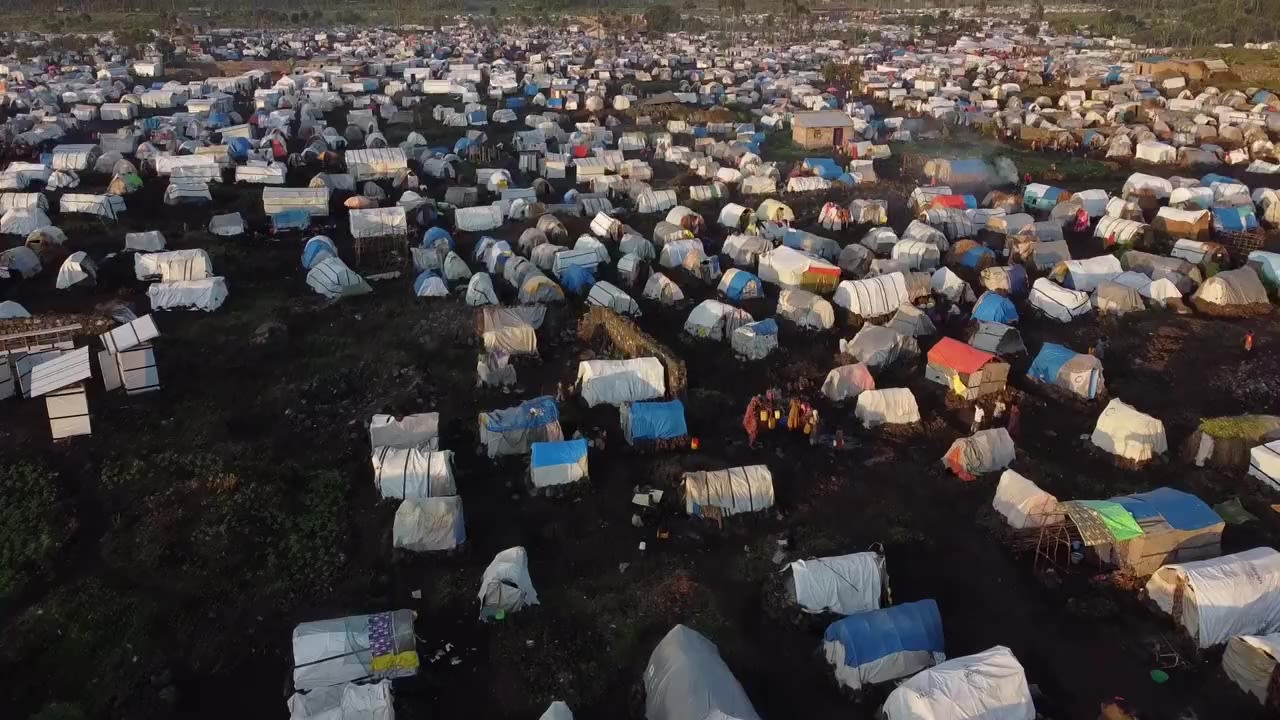
Drone footage of displacement camps from 'What's happening in the Democratic Republic of the Congo?'. Video: Hugh Kinsella Cunningham/Save the Children.

Drone footage of displacement camps from 'What's happening in the Democratic Republic of the Congo?'. Video: Hugh Kinsella Cunningham/Save the Children.

Tips for high-impact storytelling

Here are Molly Simmons' top tips for nonprofit campaigns that connect.

1. Stay relevant

Our top-performing content has focused on humanitarian crises that are already in the news.

2. Focus on impact

Stories about children’s experiences, voices, and unique vulnerabilities have resonated strongly with our audiences.

3. Use facts and emotion to build a narrative

Combining hard facts with personal stories and quotes from staff, communities, and children is what makes stories land.

4. Give audiences a way to act

Provide something your audience can get involved in.

5. Answer the question

Be clear about the question your story aims to answer. Think about what your audience is searching for and what they will gain from the story.

6. Publish consistently

Consistent output builds topical authority with search engines. We published a lot of content about Gaza — news articles, blogs, and Shorthand stories — and that helped people find us.

7. Bring something new to the table

Offer a unique perspective. For us, that’s a child-focused lens.

8. Show who you are

Two of our branded pieces were among our top ten stories last year. It’s encouraging to know that content about our approach resonates with audiences.

Read more success stories