


11 fantastic case study examples:
proven structures and standout results




These case study examples show how organisations and brands combine storytelling with concrete results to prove impact. From marketing wins to community projects, each example highlights what works and why.
In this article, you’ll find
- real examples: 8 marketing case studies and 3 project case studies
- a simple structure you can copy
- a free case study template to build your own
A case study is a story that explains how a single project, campaign, partnership, or experience worked. In the case study examples below, you’ll see both marketing and project formats.
Marketing case studies are usually produced by brands to showcase how their products or services helped a client solve a problem. They’re powerful social proof as they include both customer testimonials and demonstrable results, as well as showing off your understanding of your customers and their needs.
Project case studies are used by governments, institutions, and community organisations to communicate the internal planning processes and results of a project, and thus form strong assets to show community understanding and encourage trust.
These case study examples show how organisations and brands combine storytelling with concrete results to prove impact. From marketing wins to community projects, each example highlights what works and why.
In this article, you’ll find
- real examples: 8 marketing case studies and 3 project case studies
- a simple structure you can copy
- a free case study template to build your own
A case study is a story that explains how a single project, campaign, partnership, or experience worked. In the case study examples below, you’ll see both marketing and project formats.
Marketing case studies are usually produced by brands to showcase how their products or services helped a client solve a problem. They’re powerful social proof as they include both customer testimonials and demonstrable results, as well as showing off your understanding of your customers and their needs.
Project case studies are used by governments, institutions, and community organisations to communicate the internal planning processes and results of a project, and thus form strong assets to show community understanding and encourage trust.
We’ll cover
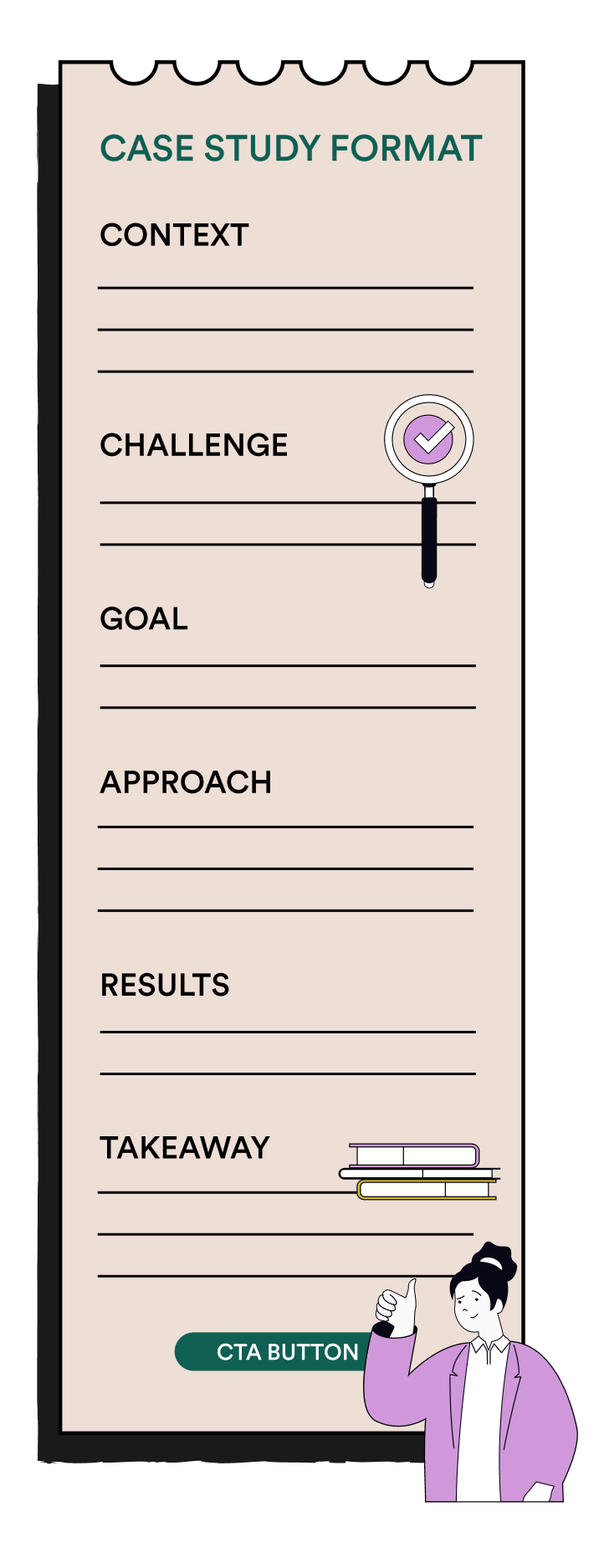
Ideal case study structure — what you need
- Context: Who is involved? Introduce the brand, organisation, or people in the story.
- Challenges: What problems were they facing?
- Goals: What did they want to achieve?
- Approach: What solution was implemented, and how was it executed?
- Results: What happened? Tie outcomes back to the original goals and share any key insights.
- Key takeaway: What should the reader remember or do next?

What to include in your case study
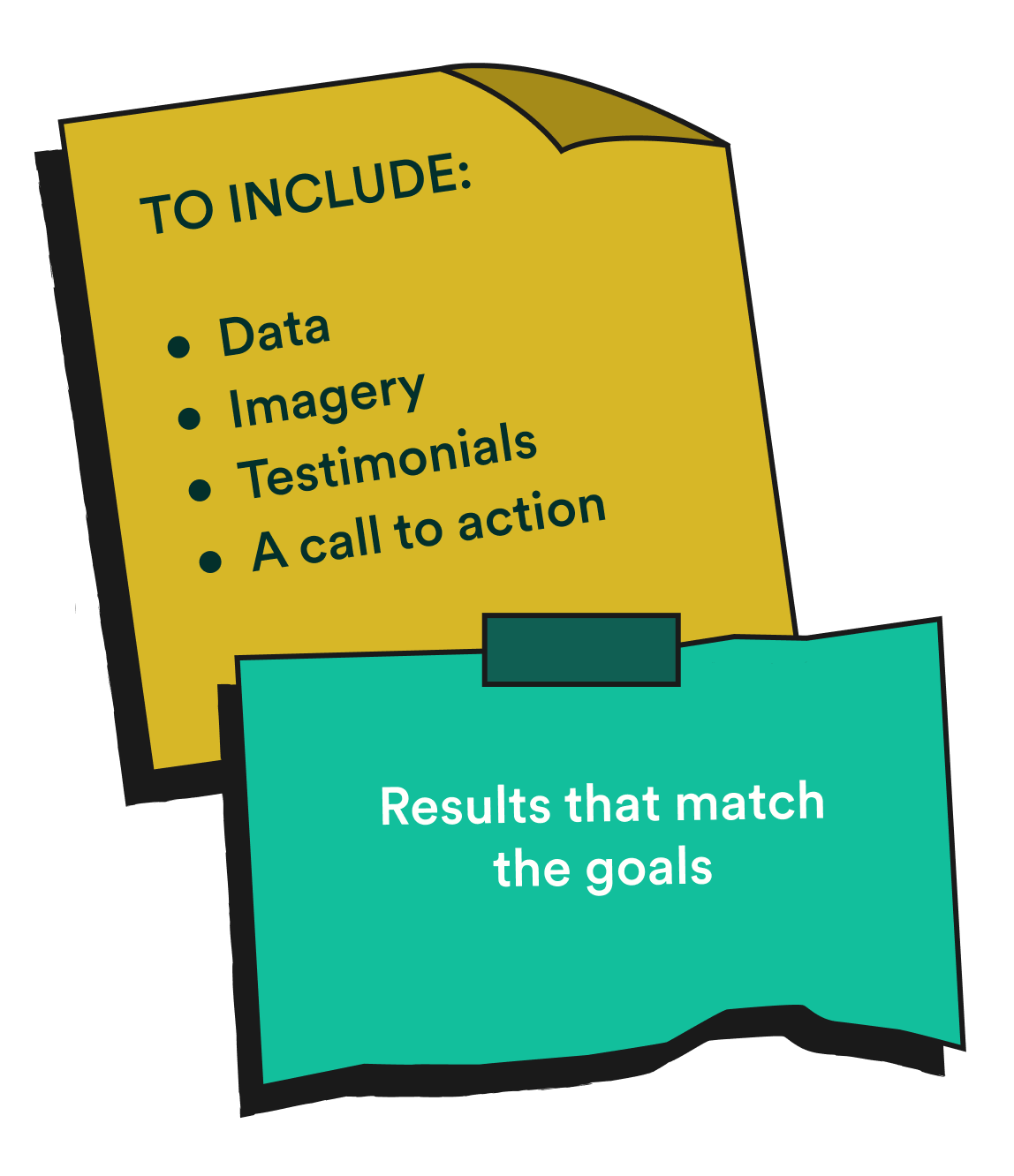
- Data. At the context stage, data visuals and infographics can help readers understand complex or niche issues. In the results section, they can help quickly summarise and promote key achievements.
- Fantastic imagery. While the format may seem a little dry, your case study should look anything but. You’re telling a story, after all. Illustrations, photography, and video help bring a human element to your project or campaign, making it more engaging and memorable for your audience.
- Testimonials. Case studies are powerful because they show what it’s actually like to work with your brand or on a specific project. That impact is lost if you’re the only voice in the story. Give readers what they want — a real perspective from the person, community, or brand who needed help and found it.
- Results that match the goals. Your results should resurface the goals of the project and how the solution met or exceeded them. Or, if it didn’t, break down the learnings and feedback into constructive points that could be actioned in a future project. Then you can put in your nice additional list of unexpected positive benefits of the project, as these can be very powerful.
- A call to action. Case studies should close with a clear call to action matched to their purpose. For marketing case studies, this might mean encouraging readers to get in touch, book a demo, or start a free trial. For project-based case studies, the call to action could invite readers to explore related work, download a resource, or connect for more information.

The 8 best marketing case study examples


BIT makes San Francisco roads safer

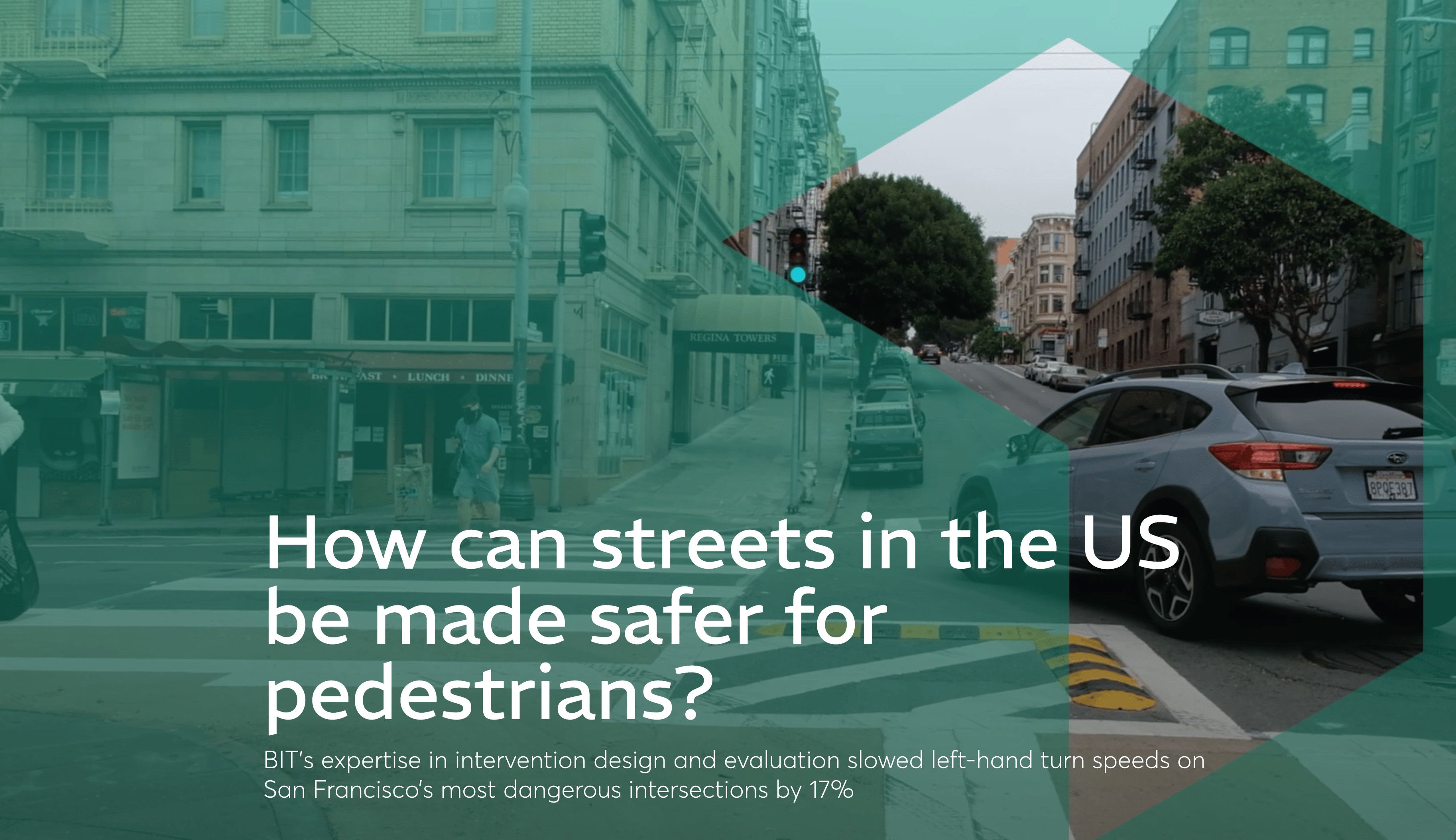
In ‘How can streets in the US be made safer for pedestrians?’ research consultancy BIT showcases its work for the San Francisco Municipal Transportation Agency to reduce motorist speed at intersections.
Why it works: It’s an effective case study that clearly outlines the broader problem it is helping to address: the epidemic of car crashes in the US. It then drills down into the particular goal of this project: reducing speed at intersections in San Francisco.
A scroll-animated image of a city intersection highlights the small safety improvements that made a big difference.
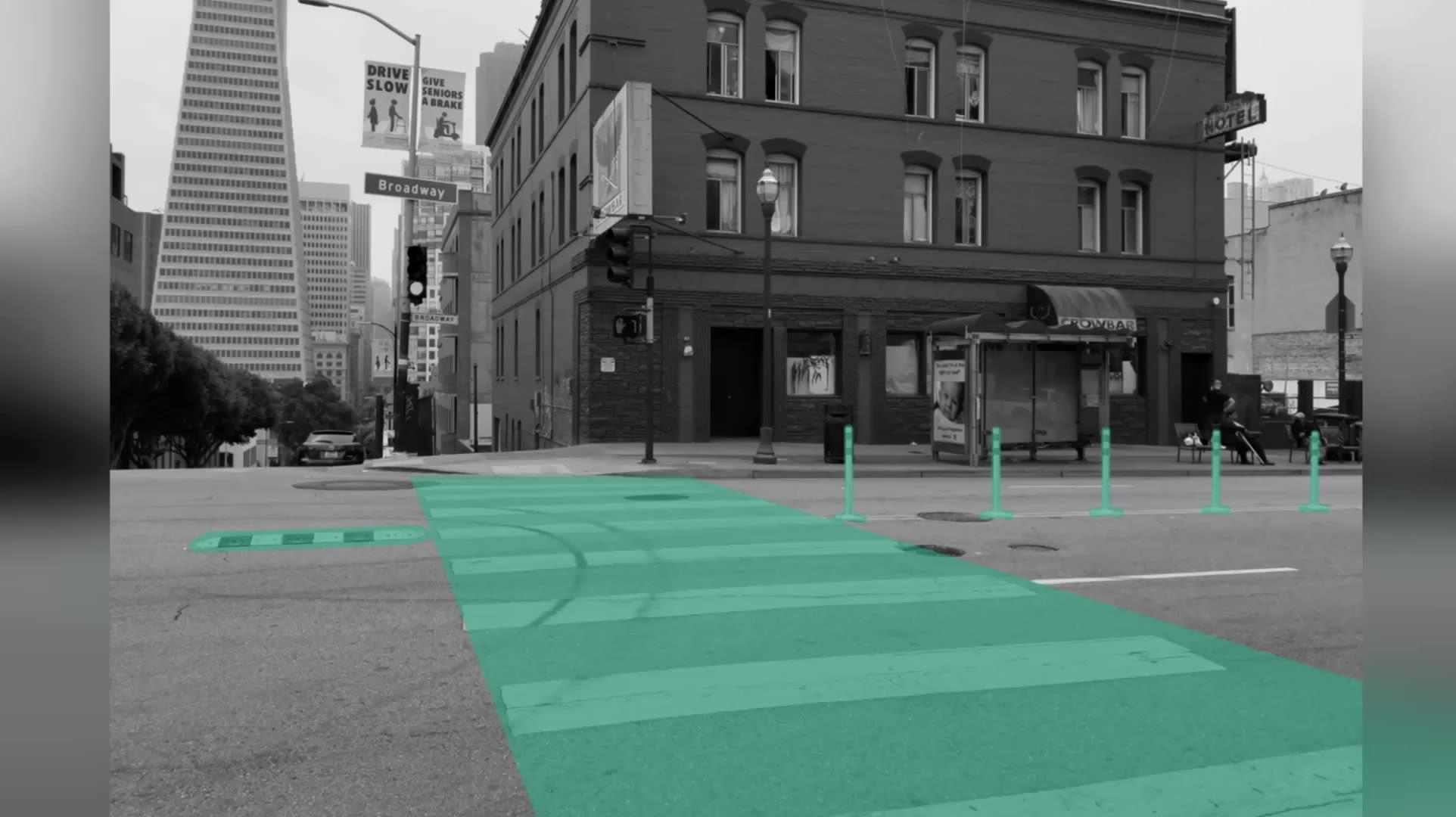
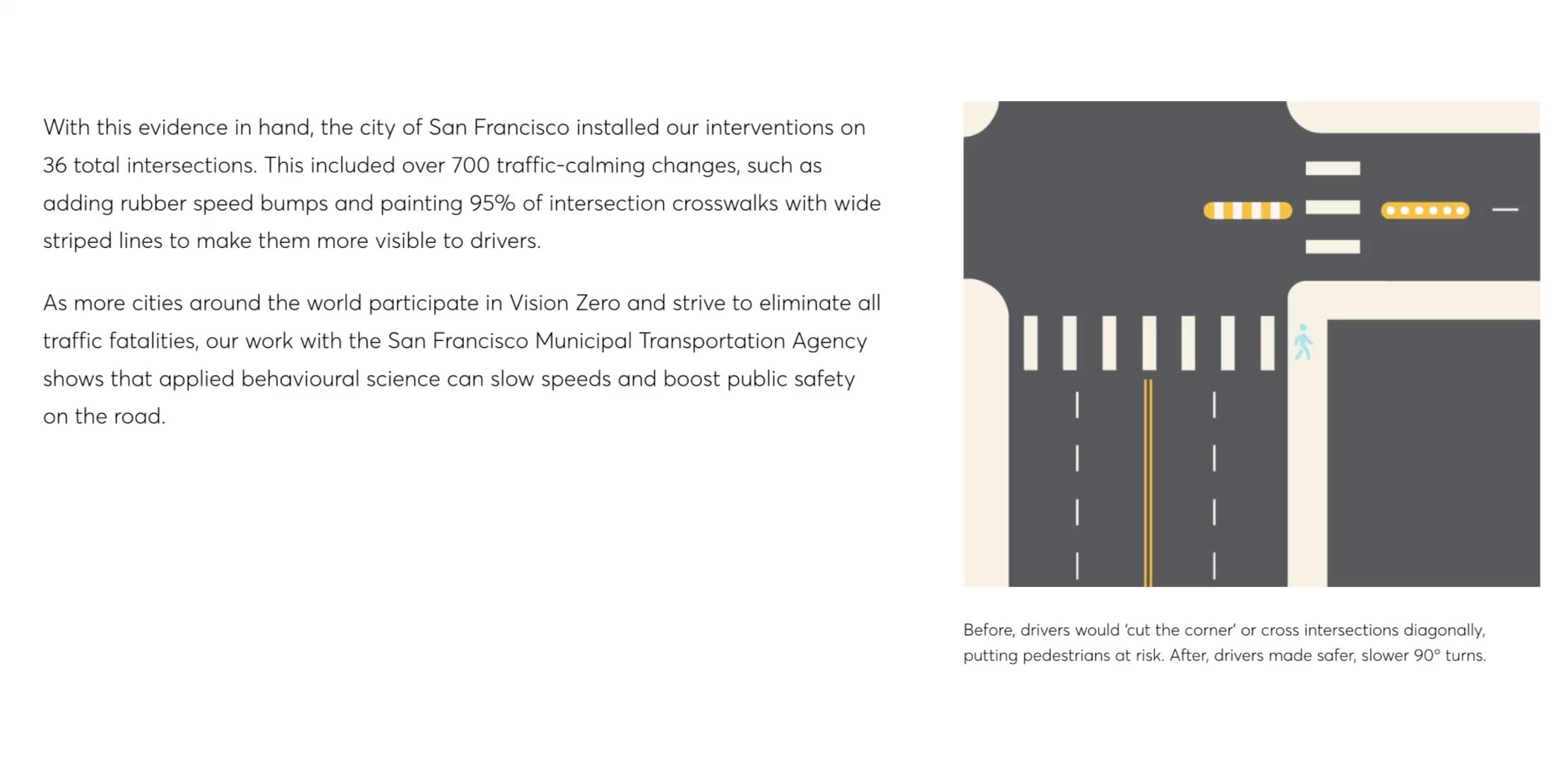
A looping video compares two intersection designs — one without BIT’s interventions and one with — showing how the pedestrian experience improves. Finally, an interactive chart shows the decline in car speeds at the targeted intersections — clearly demonstrating the project’s success.
Key takeaway: Tie the work to a big real-world problem then prove impact with simple comparisons.


The 8 best marketing case study examples


BIT makes San Francisco roads safer
In ‘How can streets in the US be made safer for pedestrians?’ research consultancy BIT showcases its work for the San Francisco Municipal Transportation Agency to reduce motorist speed at intersections.
Why it works: It’s an effective case study that clearly outlines the broader problem it is helping to address: the epidemic of car crashes in the US. It then drills down into the particular goal of this project: reducing speed at intersections in San Francisco.
A scroll-animated image of a city intersection highlights the small safety improvements that made a big difference.
A looping video compares two intersection designs — one without BIT’s interventions and one with — showing how the pedestrian experience improves. Finally, an interactive chart shows the decline in car speeds at the targeted intersections — clearly demonstrating the project’s success.
Key takeaway: Tie the work to a big real-world problem then prove impact with simple comparisons.
Cancerfonden’s Pink Ribbon partnerships

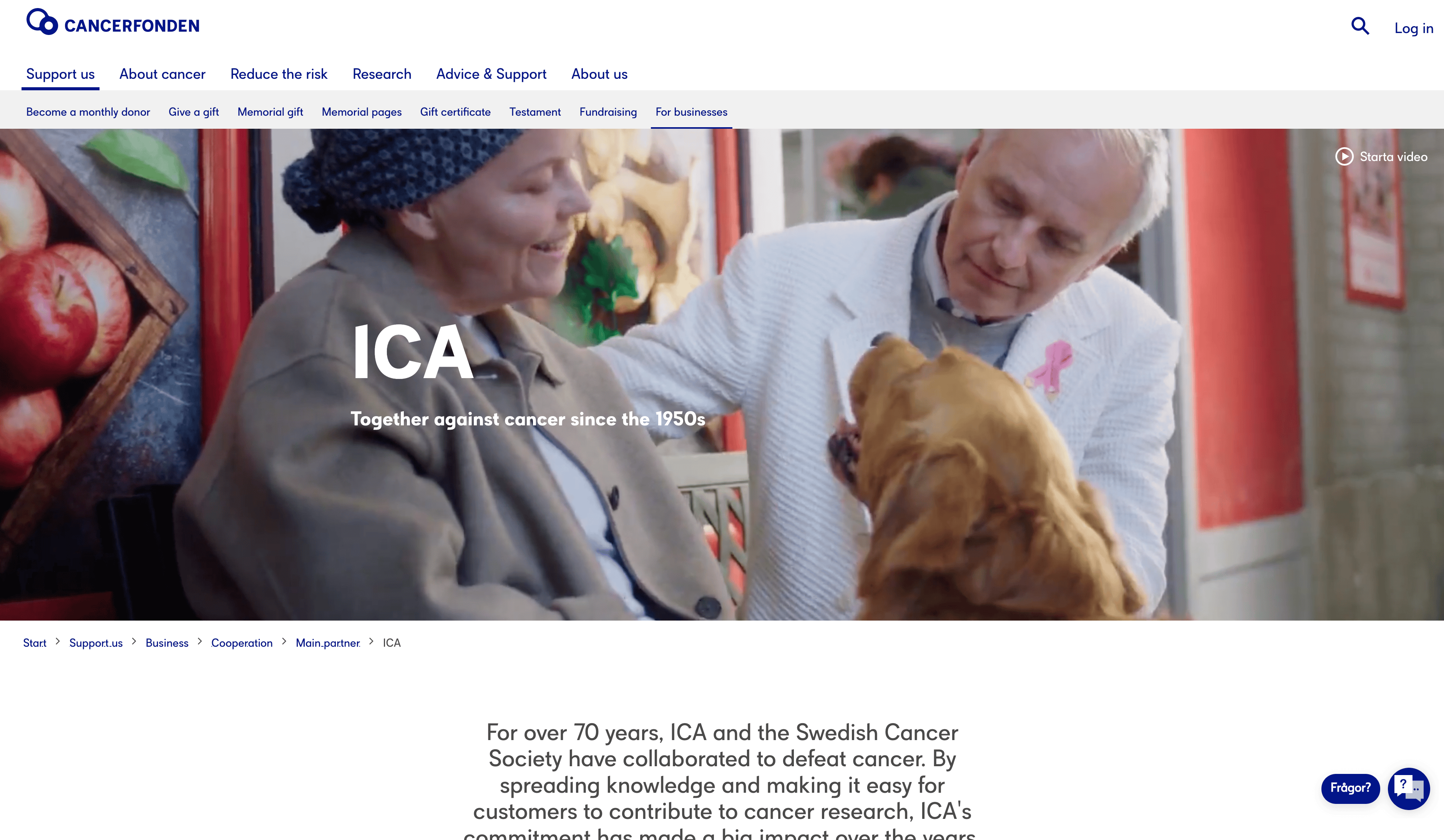
Cancerfonden, Sweden’s largest cancer charity, partners with philanthropic donor brands to raise funds for its research. To encourage other businesses to take part, it publishes case studies promoting the success of current and previous partnerships.
Its partnerships with pharmacy chain Apotek Hjärtat and supermarket retailer ICA on the ‘Pink Ribbon’ campaign are the subjects of two such case studies.

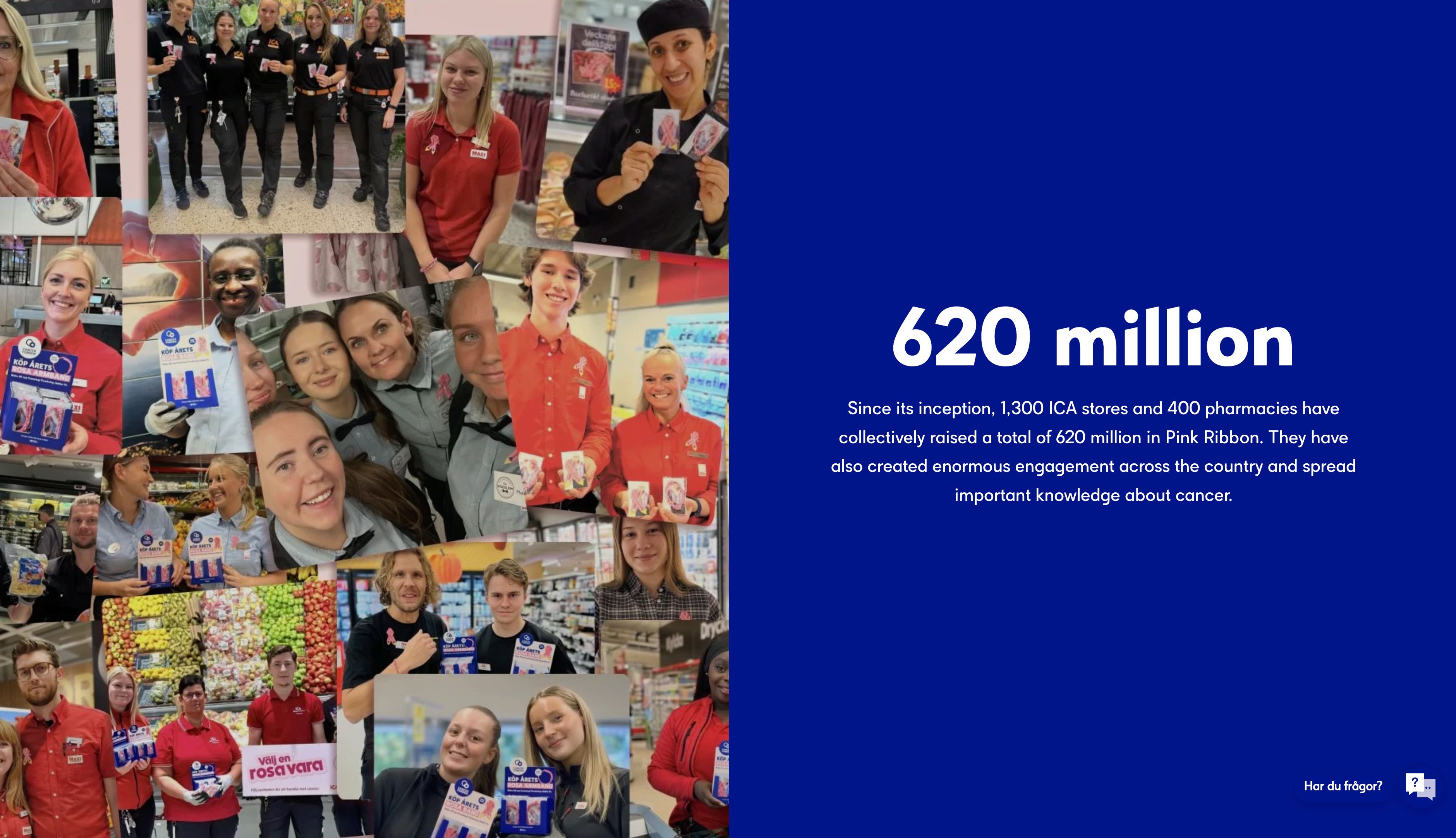
These standout case studies feature product imagery, in-store activation photography, and partner ad creative.
Why they work: They anchor the story in data. Alongside funds raised, they cite clear perception metrics — such as 71% of those familiar with the Pink Ribbon campaign expressing a positive overall impression of the collaboration.

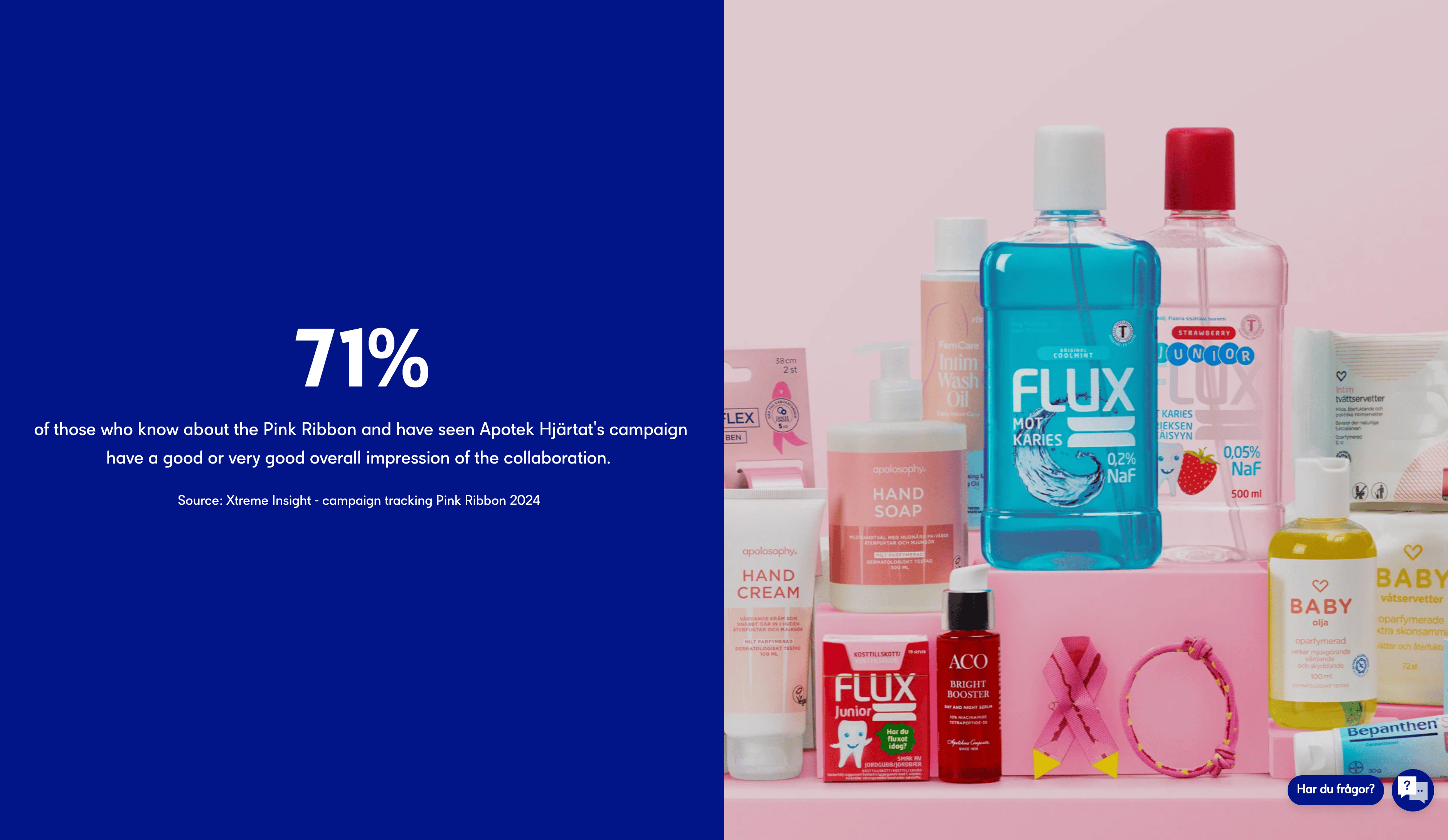
Key takeaway: Make partnership value tangible by showing campaign assets and quantifying brand lift with compelling stats.
Cancerfonden’s Pink Ribbon partnerships
Cancerfonden, Sweden’s largest cancer charity, partners with philanthropic donor brands to raise funds for its research. To encourage other businesses to take part, it publishes case studies promoting the success of current and previous partnerships.
Its partnerships with pharmacy chain Apotek Hjärtat and supermarket retailer ICA on the ‘Pink Ribbon’ campaign are the subjects of two such case studies.
These standout case studies feature product imagery, in-store activation photography, and partner ad creative.
Why they work: They anchor the story in data. Alongside funds raised, they cite clear perception metrics — such as 71% of those familiar with the Pink Ribbon campaign expressing a positive overall impression of the collaboration.
Key takeaway: Make partnership value tangible by showing campaign assets and quantifying brand lift with compelling stats.
LexisNexis and Metro Bank take it to the money mules
In ‘Don’t be a mule’, LexisNexis Risk Solutions opens with the core business challenge: money mule scams and the difficulty both banks and unsuspecting individuals face in detecting them.

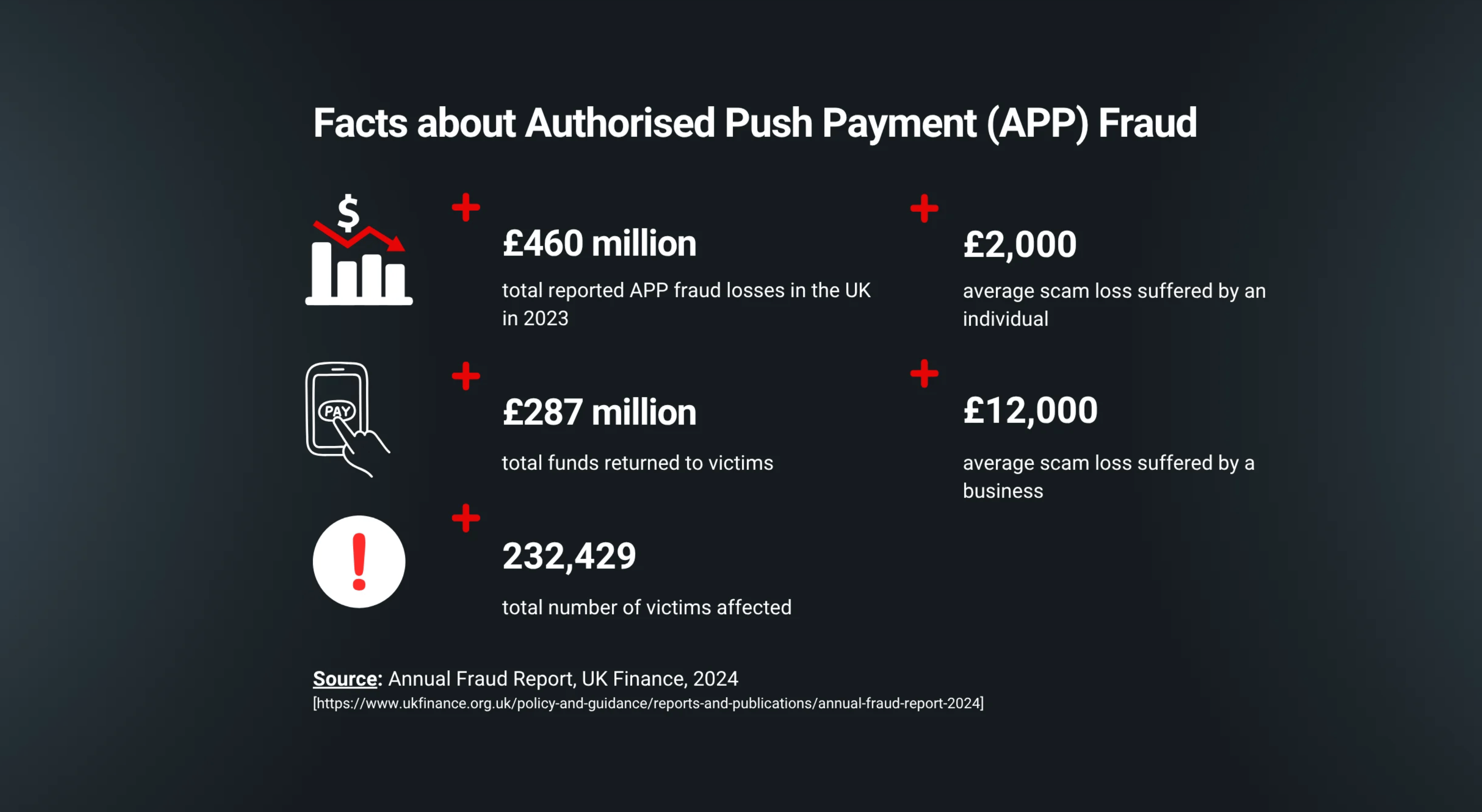
It then focuses on its work with Metro Bank to identify mule accounts earlier. Data-driven infographics explain the scale of the problem and the results achieved, creating an engaging, visual-led experience that communicates complex information without heavy blocks of text.

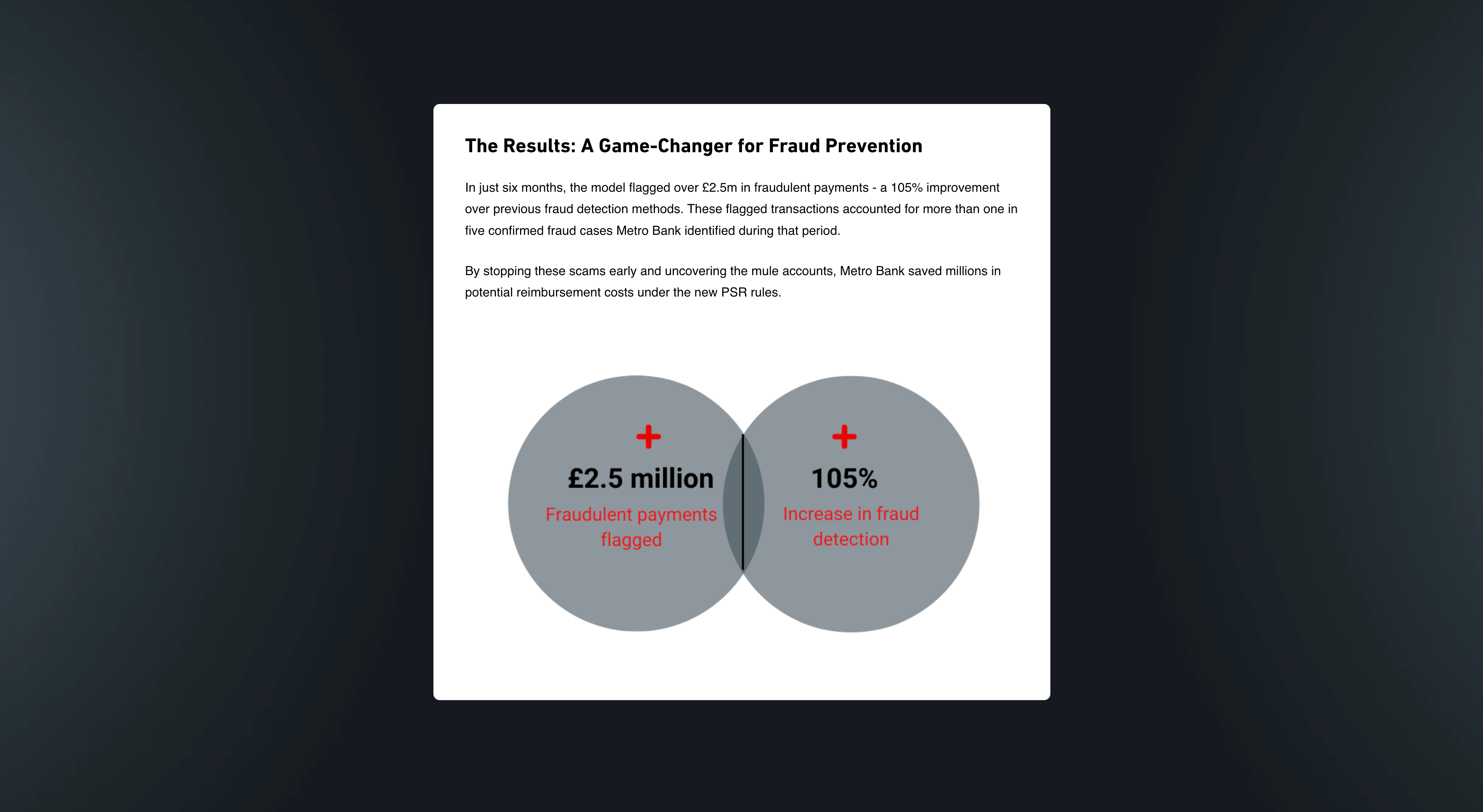
Why it works: By telling the story of a single victim, the case study highlights the human impact, building emotional connection while positioning LexisNexis as a trusted safeguard.
Key takeaway: Start with the human story to create urgency, then use clear data visualisation to explain the complexity and demonstrate results.
LexisNexis and Metro Bank take it to the money mules
In ‘Don’t be a mule’, LexisNexis Risk Solutions opens with the core business challenge: money mule scams and the difficulty both banks and unsuspecting individuals face in detecting them.
It then focuses on its work with Metro Bank to identify mule accounts earlier. Data-driven infographics explain the scale of the problem and the results achieved, creating an engaging, visual-led experience that communicates complex information without heavy blocks of text.
Why it works: By telling the story of a single victim, the case study highlights the human impact, building emotional connection while positioning LexisNexis as a trusted safeguard.
Key takeaway: Start with the human story to create urgency, then use clear data visualisation to explain the complexity and demonstrate results.
The FA turns its dull campaign PDF into a high-traffic brand asset with Shorthand

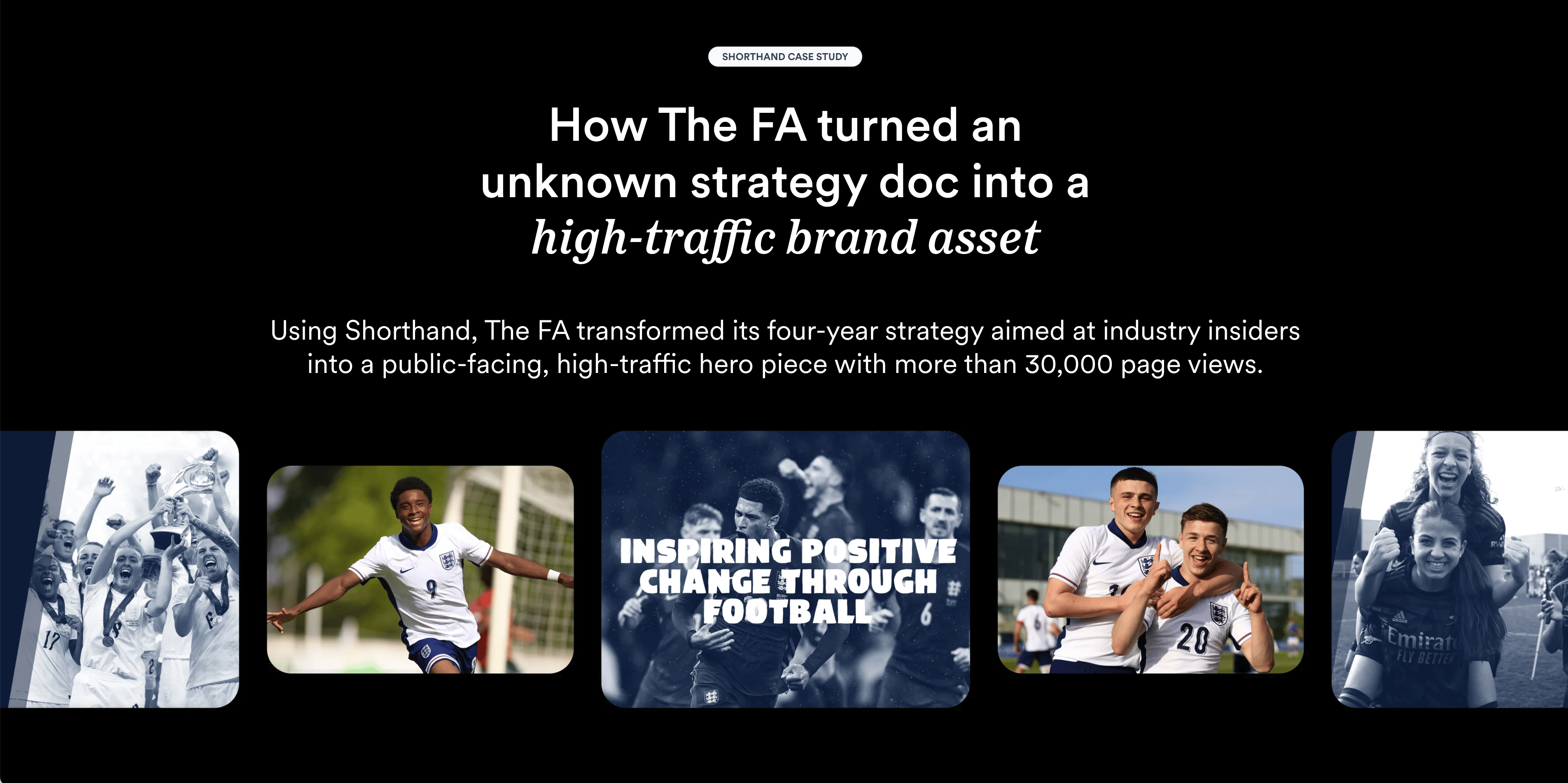
Yes, this one’s a bit of a humble brag from our own team.
In our case study, we tell the story of how The FA — England Football’s governing body — used Shorthand to publish more engaging and accessible reports and team stories. Along the way, we include testimonial quotes from The FA’s Content Team Leader to keep the story grounded in their perspective, not just ours.

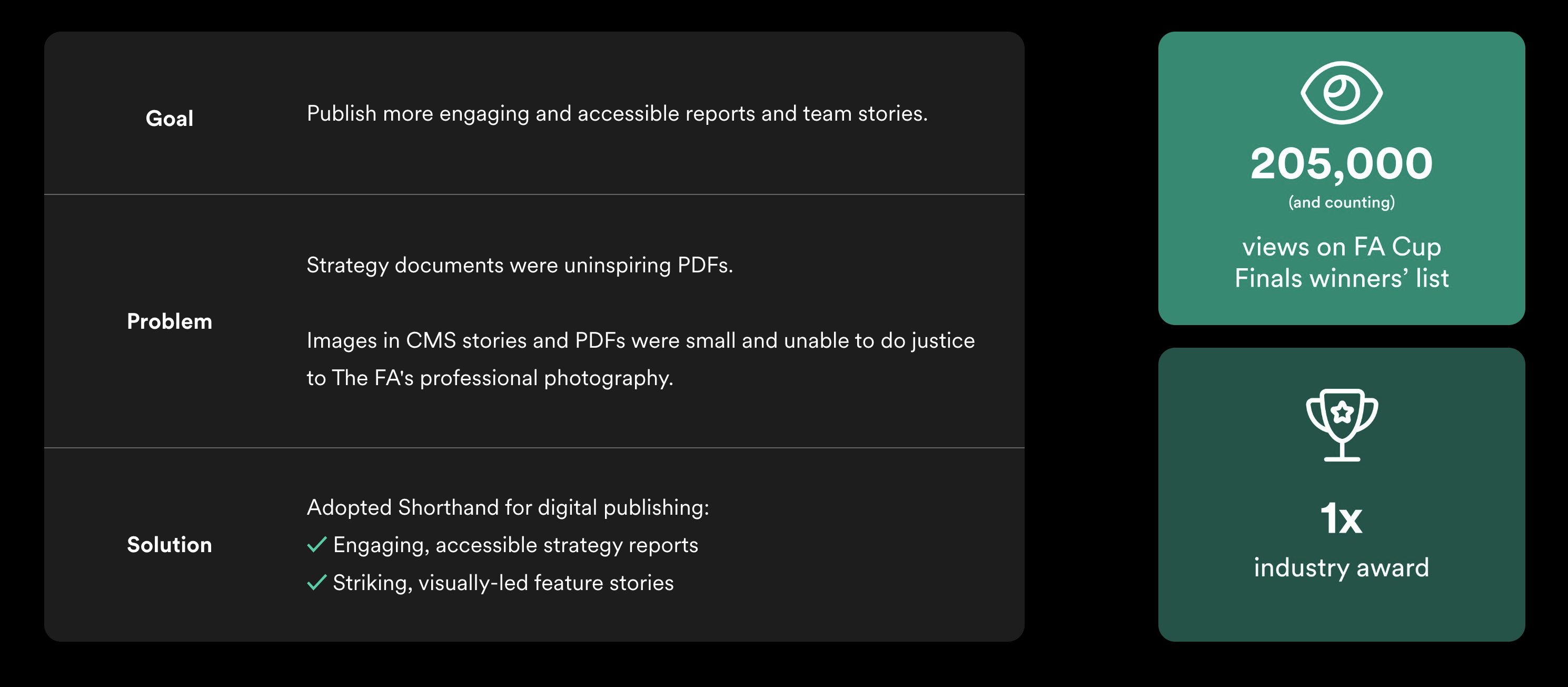
Why it works: We open with a concise summary for time-poor readers, then move into deeper brand storytelling and customer testimony. This structure builds credibility and gives the story weight beyond Shorthand’s own promotional voice.
At Shorthand, we recently transitioned from developer-coded case study pages to immersive Shorthand stories crafted with our own digital publishing platform. The new format is not only more visually compelling and scannable, but also helps us go from customer interview to published case study in far less time.
Publishing with Shorthand unblocks our case study pipeline and frees up our web developers to focus on other projects. We can now turn around a new case study in a couple of hours — with more room to experiment and hands-on control for our writers and designers.
Key takeaway: Design for busy readers, so everyone takes something away — whether they read the detail or not.
The FA turns its dull campaign PDF into a high-traffic brand asset with Shorthand
Yes, this one’s a bit of a humble brag from our own team.
In our case study, we tell the story of how The FA — England Football’s governing body — used Shorthand to publish more engaging and accessible reports and team stories. Along the way, we include testimonial quotes from The FA’s Content Team Leader to keep the story grounded in their perspective, not just ours.
Why it works: We open with a concise summary for time-poor readers, then move into deeper brand storytelling and customer testimony. This structure builds credibility and gives the story weight beyond Shorthand’s own promotional voice.
At Shorthand, we recently transitioned from developer-coded case study pages to immersive Shorthand stories crafted with our own digital publishing platform. The new format is not only more visually compelling and scannable, but also helps us go from customer interview to published case study in far less time.
Publishing with Shorthand unblocks our case study pipeline and frees up our web developers to focus on other projects. We can now turn around a new case study in a couple of hours — with more room to experiment and hands-on control for our writers and designers.
Key takeaway: Design for busy readers, so everyone takes something away — whether they read the detail or not.
Everton FC’s International Academy Affiliate Programme
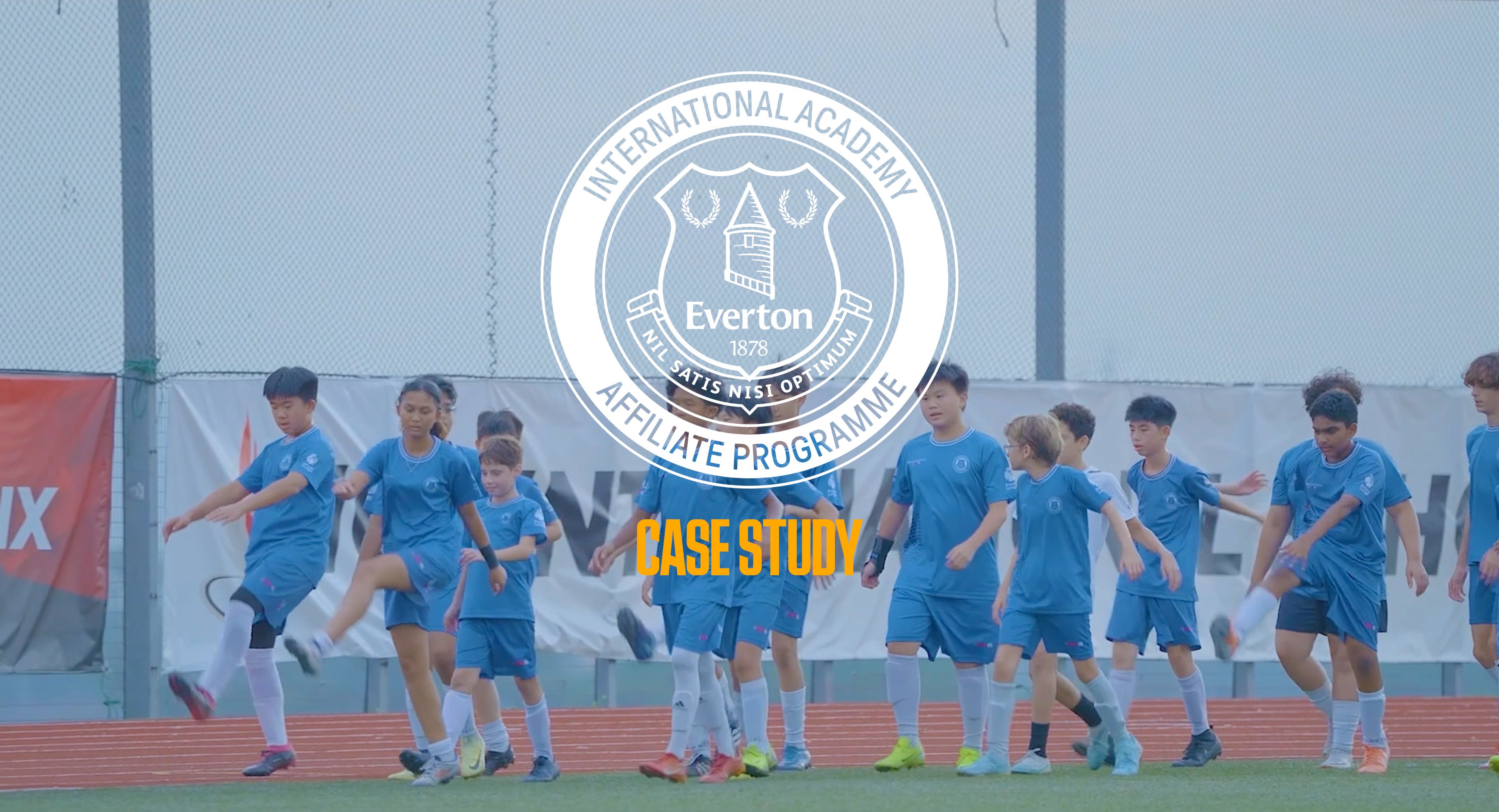
Everton Football Club’s case study about its partnership with IGB International School in Malaysia shows its commitment to excellence around the world. A video of budding athletes training with elite coaches in first-class facilities immerses the reader in the programme before they even need to scroll.

When they do, they’re treated to highlights of coach and player international exchanges, technical guidance, and a shared long-term vision — all broken up with more fantastic media.
Why it works: Everton’s colour scheme and media make for an engaging read, while a strong branded CTA — plus a logo used throughout — speaks to the Premier League aspirations of schools, parents, and pupils reading the case study.

Key takeaway: Sell the partnership with concrete programme benefits and end with a strong, branded CTA.
Everton FC’s International Academy Affiliate Programme
Everton Football Club’s case study about its partnership with IGB International School in Malaysia shows its commitment to excellence around the world. A video of budding athletes training with elite coaches in first-class facilities immerses the reader in the programme before they even need to scroll.
When they do, they’re treated to highlights of coach and player international exchanges, technical guidance, and a shared long-term vision — all broken up with more fantastic media.
Why it works: Everton’s colour scheme and media make for an engaging read, while a strong branded CTA — plus a logo used throughout — speaks to the Premier League aspirations of schools, parents, and pupils reading the case study.
Key takeaway: Sell the partnership with concrete programme benefits and end with a strong, branded CTA.
British Council brings culture to the UN Sustainability conversation

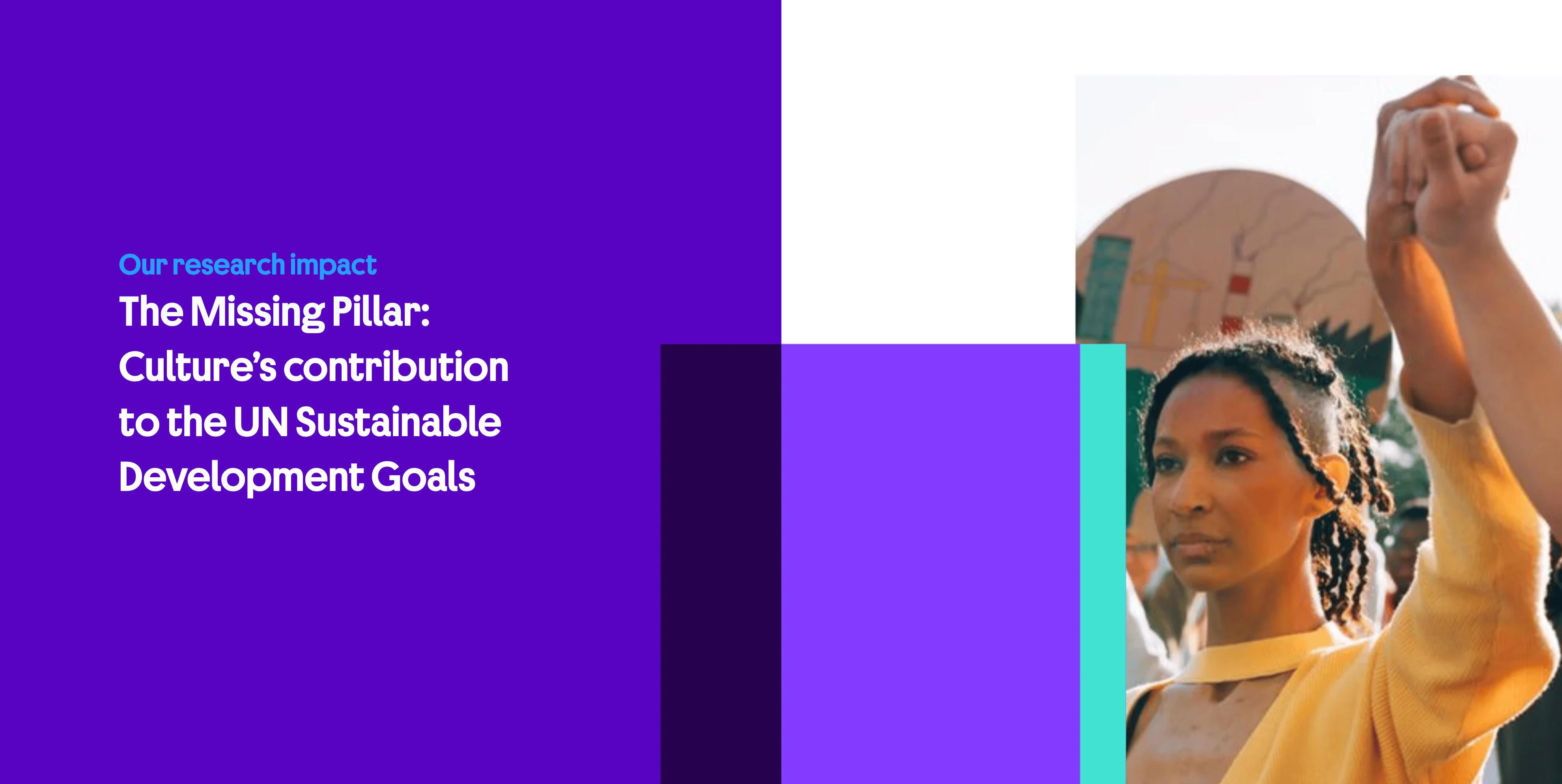
Is development truly sustainable if it’s not “infused with the values of the people it involves?”
That's what UNESCO’s Alexandra Xanthaki pondered in response to ‘The Missing Pillar’ — a 2020 research document calling for recognition of arts, culture, and heritage in the UN’s Sustainable Development Goals.

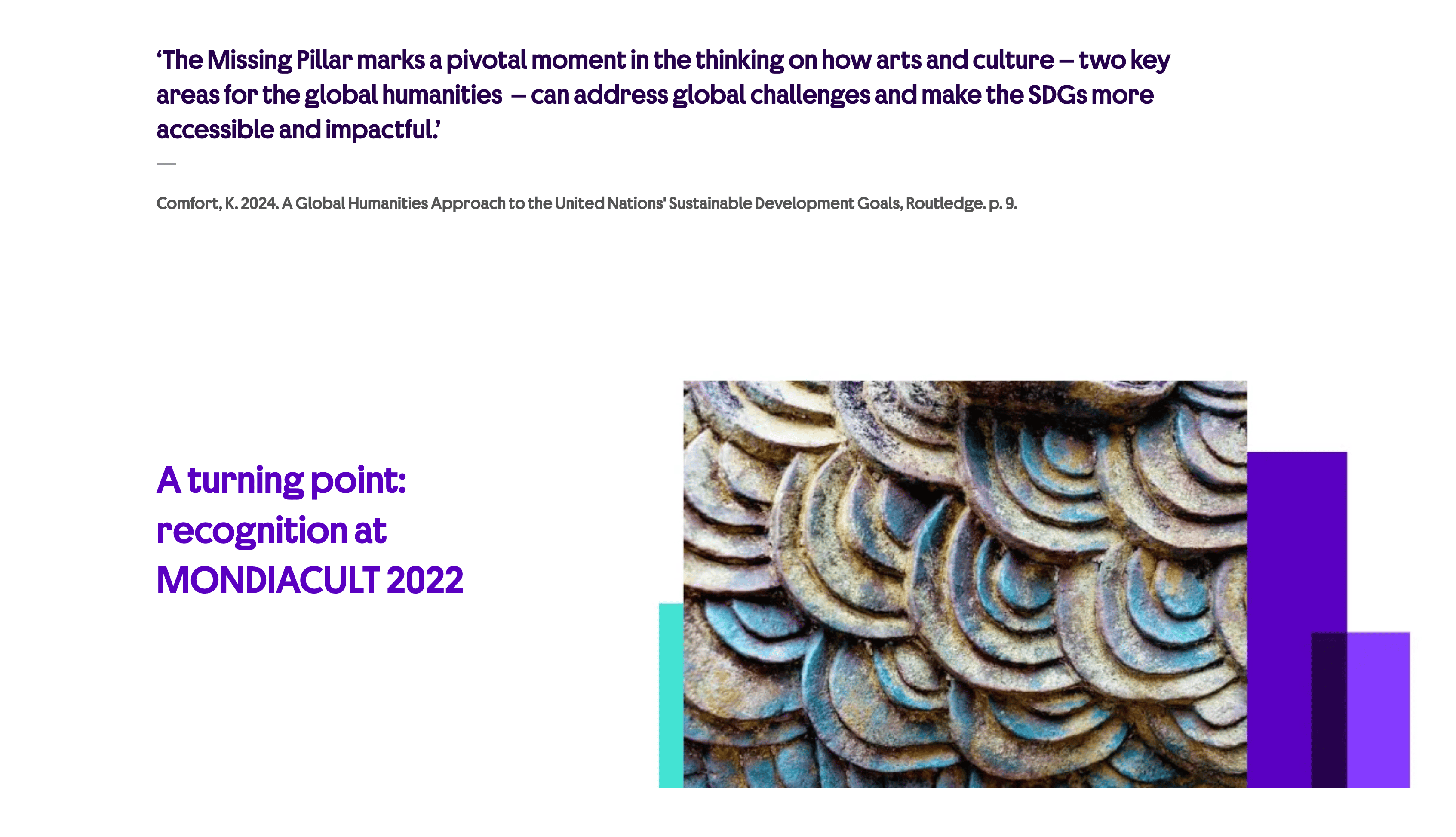
In this research impact case study, the British Council reflects on the report’s influence. It includes pull quotes from senior UNESCO members and imagery celebrating architecture, music, and historic crafts. These visual elements break up passages of text about the report’s impact: recognition from international policy platforms, consultation with more than 100 countries, report downloads, and media opportunities.

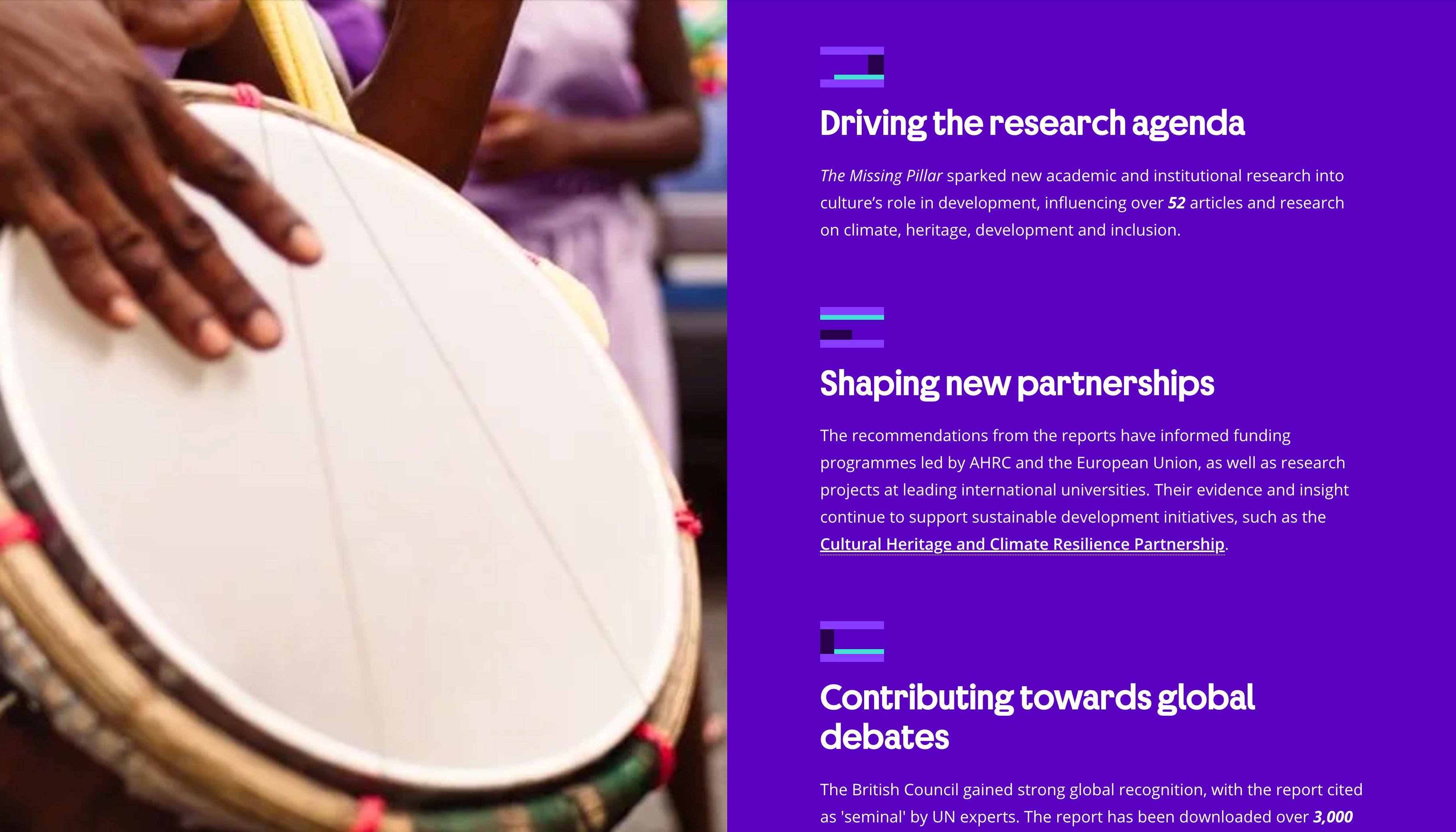
Why it works: It’s effective in the volume of results it showcases — some directly tied to the goal, and others adjacent but still valuable because they demonstrate broader impact.
Key takeaway: For thought leadership impact, stack multiple proof signals (recognition, reach, downloads, partnerships) to show momentum beyond a single metric.
British Council brings culture to the UN Sustainability conversation
Is development truly sustainable if it’s not “infused with the values of the people it involves?”
That's what UNESCO’s Alexandra Xanthaki pondered in response to ‘The Missing Pillar’ — a 2020 research document calling for recognition of arts, culture, and heritage in the UN’s Sustainable Development Goals.
In this research impact case study, the British Council reflects on the report’s influence. It includes pull quotes from senior UNESCO members and imagery celebrating architecture, music, and historic crafts. These visual elements break up passages of text about the report’s impact: recognition from international policy platforms, consultation with more than 100 countries, report downloads, and media opportunities.
Why it works: It’s effective in the volume of results it showcases — some directly tied to the goal, and others adjacent but still valuable because they demonstrate broader impact.
Key takeaway: For thought leadership impact, stack multiple proof signals (recognition, reach, downloads, partnerships) to show momentum beyond a single metric.
SIJ Group’s road to responsible steel certification

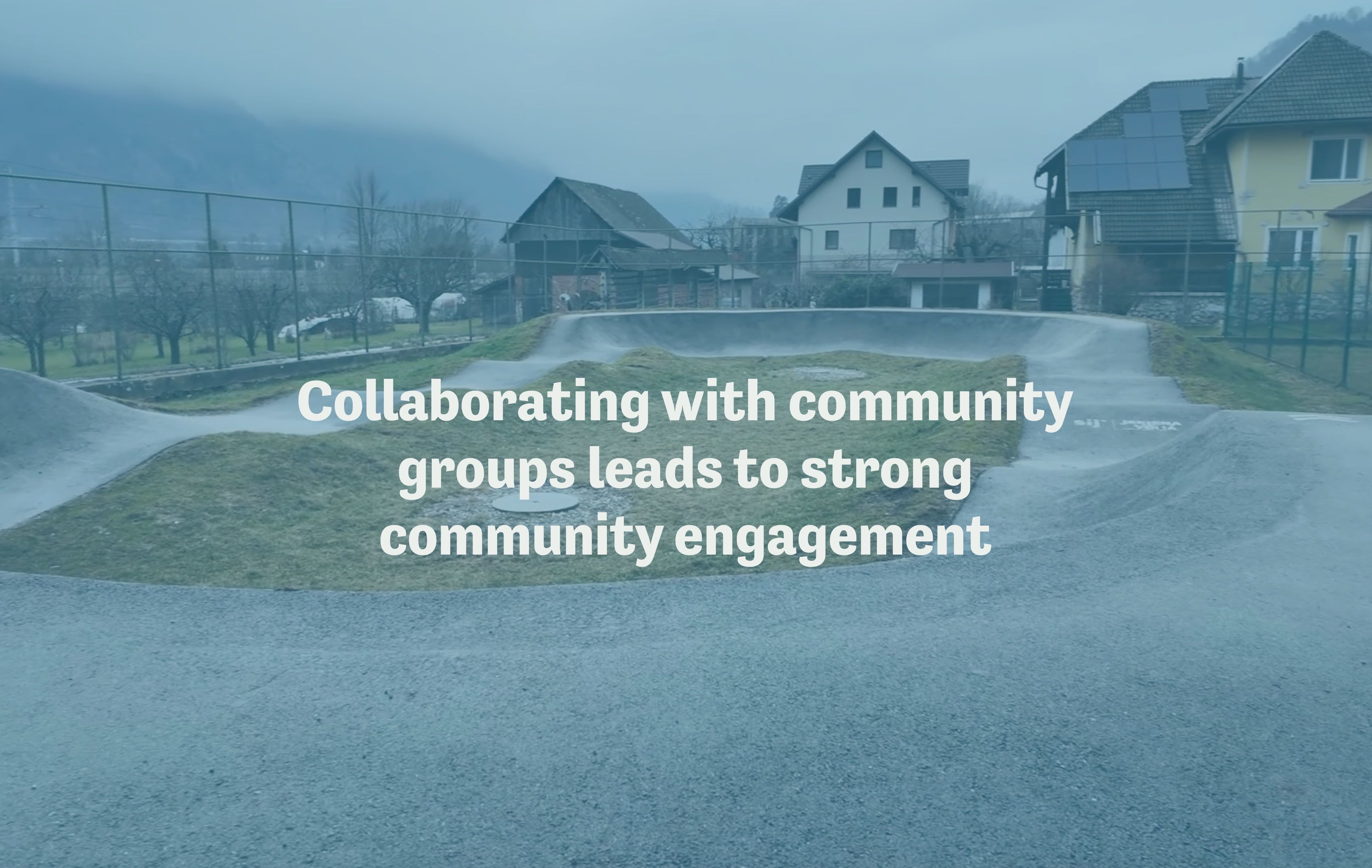
This long read by ResponsibleSteel isn’t afraid to roll up its sleeves — dangerous work, no-frills factories, and an industrial-town community. It tells the story of SIJ Group, a leading steel producer in Slovenia, as it works towards ResponsibleSteel certification.

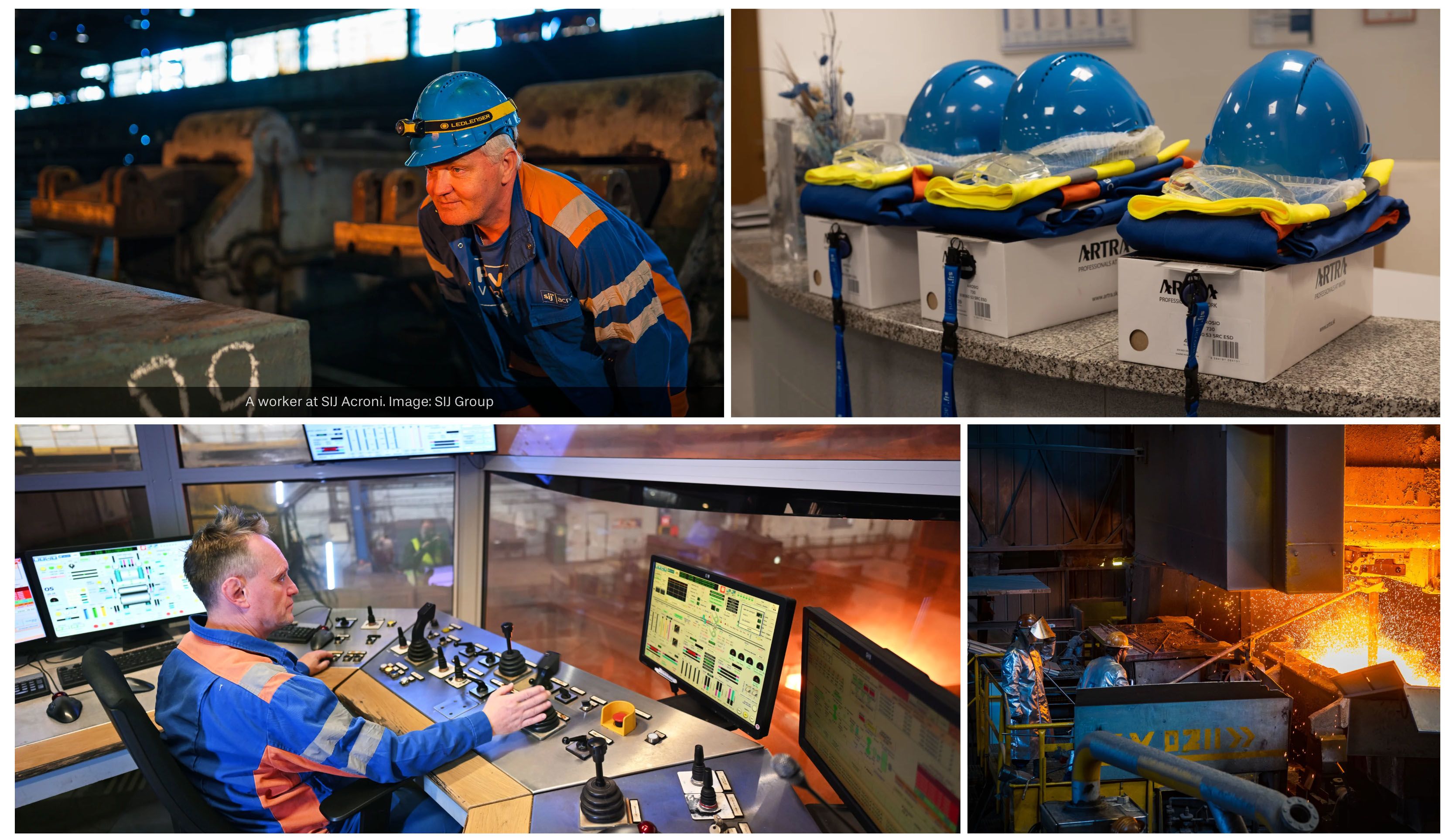
Why it works: Video and photography bring the reader into this world, helping them feel connected to the people and places behind the story. The CTA is well placed, too: the most compelling positive results are given plenty of real estate right before readers are invited to join ResponsibleSteel as a member.

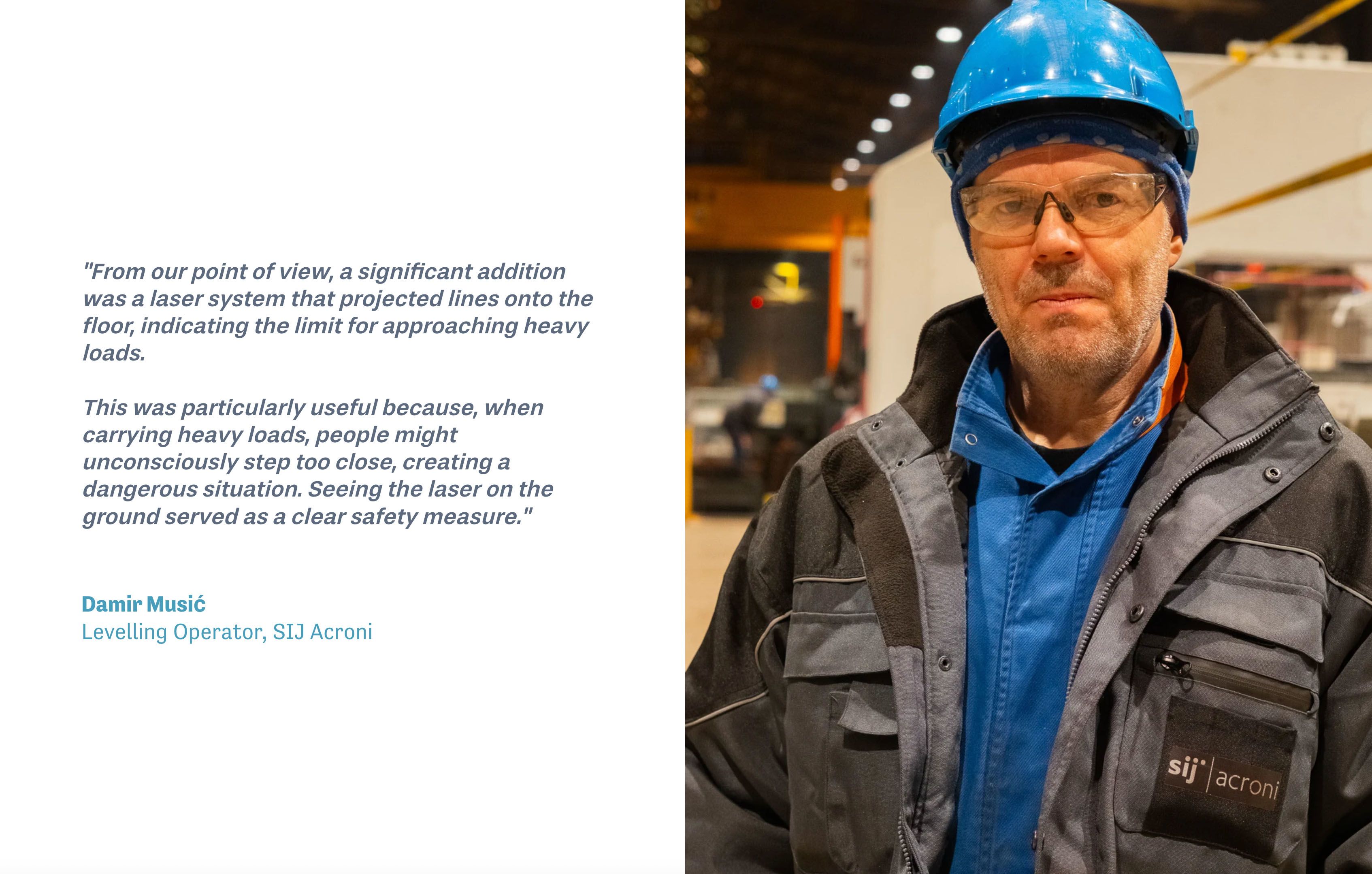
Key takeaway: Immerse readers in the ‘world’ (real people and places), then place the CTA immediately after the strongest results.


SIJ Group’s road to responsible steel certification
This long read by ResponsibleSteel isn’t afraid to roll up its sleeves — dangerous work, no-frills factories, and an industrial-town community. It tells the story of SIJ Group, a leading steel producer in Slovenia, as it works towards ResponsibleSteel certification.
Why it works: Video and photography bring the reader into this world, helping them feel connected to the people and places behind the story. The CTA is well placed, too: the most compelling positive results are given plenty of real estate right before readers are invited to join ResponsibleSteel as a member.
Key takeaway: Immerse readers in the ‘world’ (real people and places), then place the CTA immediately after the strongest results.
3 project case study examples
Climate wake up call

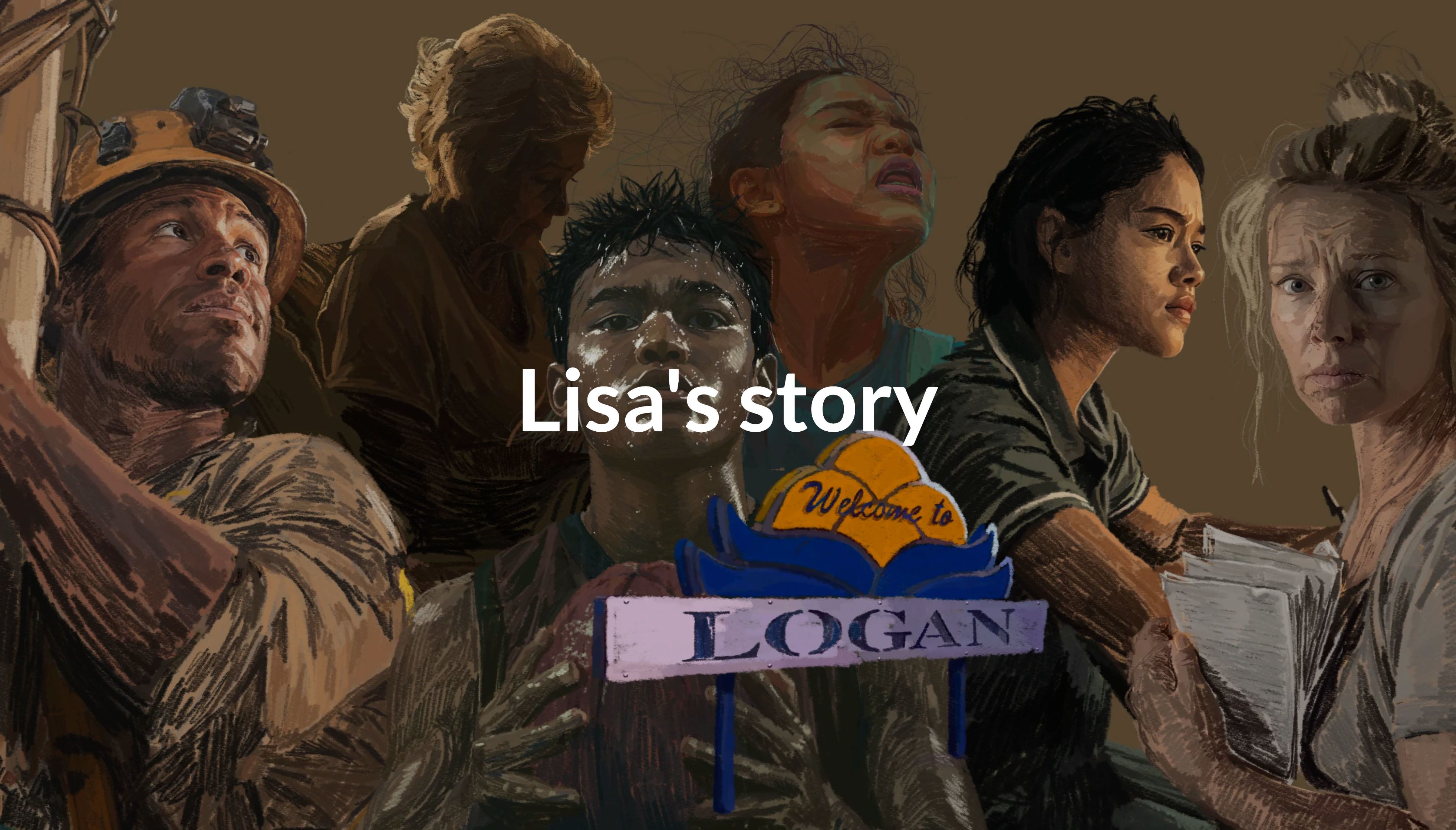
A worried mother struggling to pay energy bills to cool her house. A father who can’t work on hot days, so earns less money. An isolated grandmother who’s been told not to go outside. ‘Lisa’s Story’ is the fictionalised account of one family suffering through an intense summer in suburban Brisbane — and it doesn’t pull any punches.

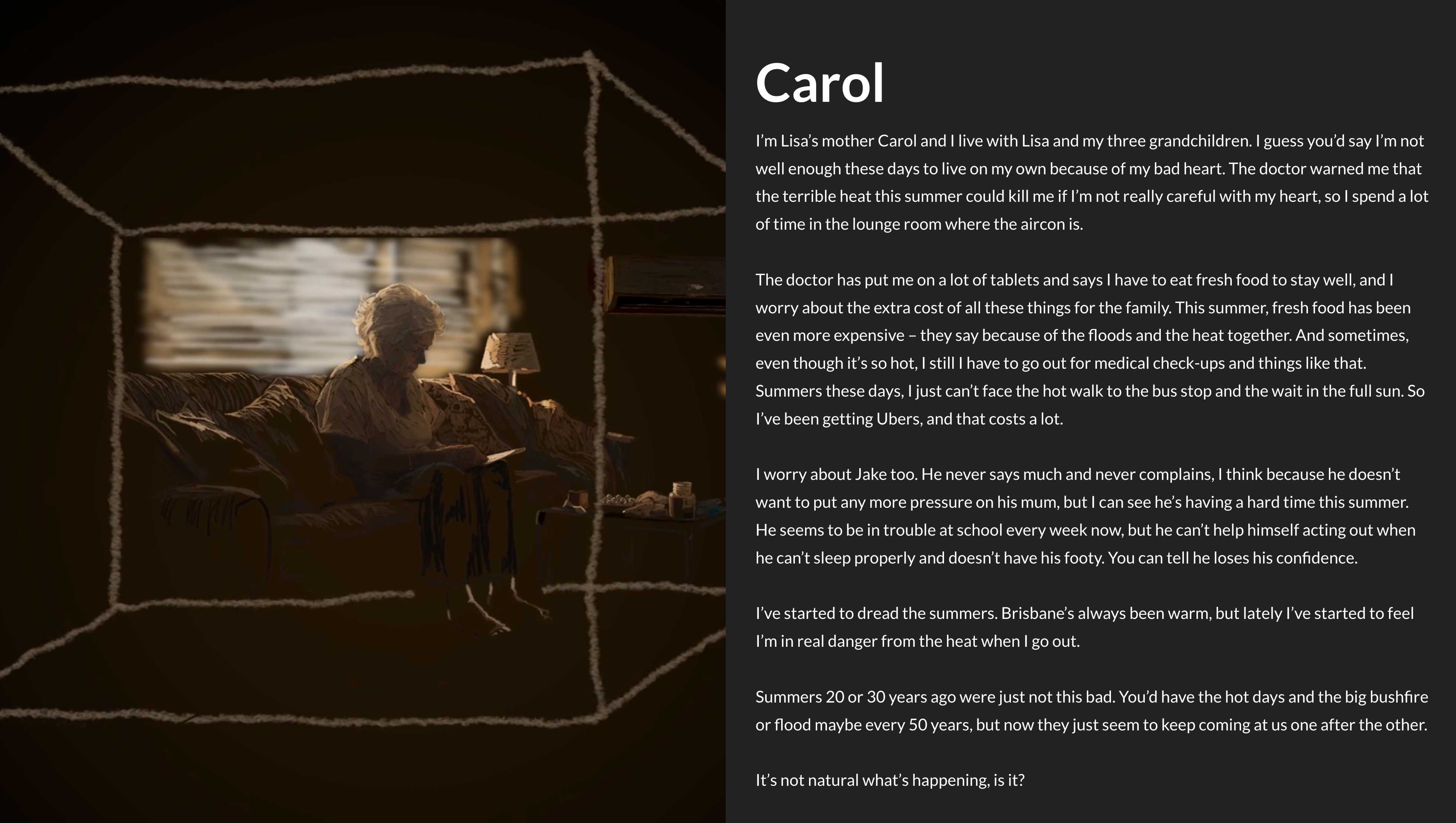
Why it works: This fictionalised case study from the University of New South Wales Australian Human Rights Institute shows its working. A dedicated section outlines the real science behind the story, linking to sources covering the trends, events, and expert consultation that ensured it was accurate and grounded in fact.

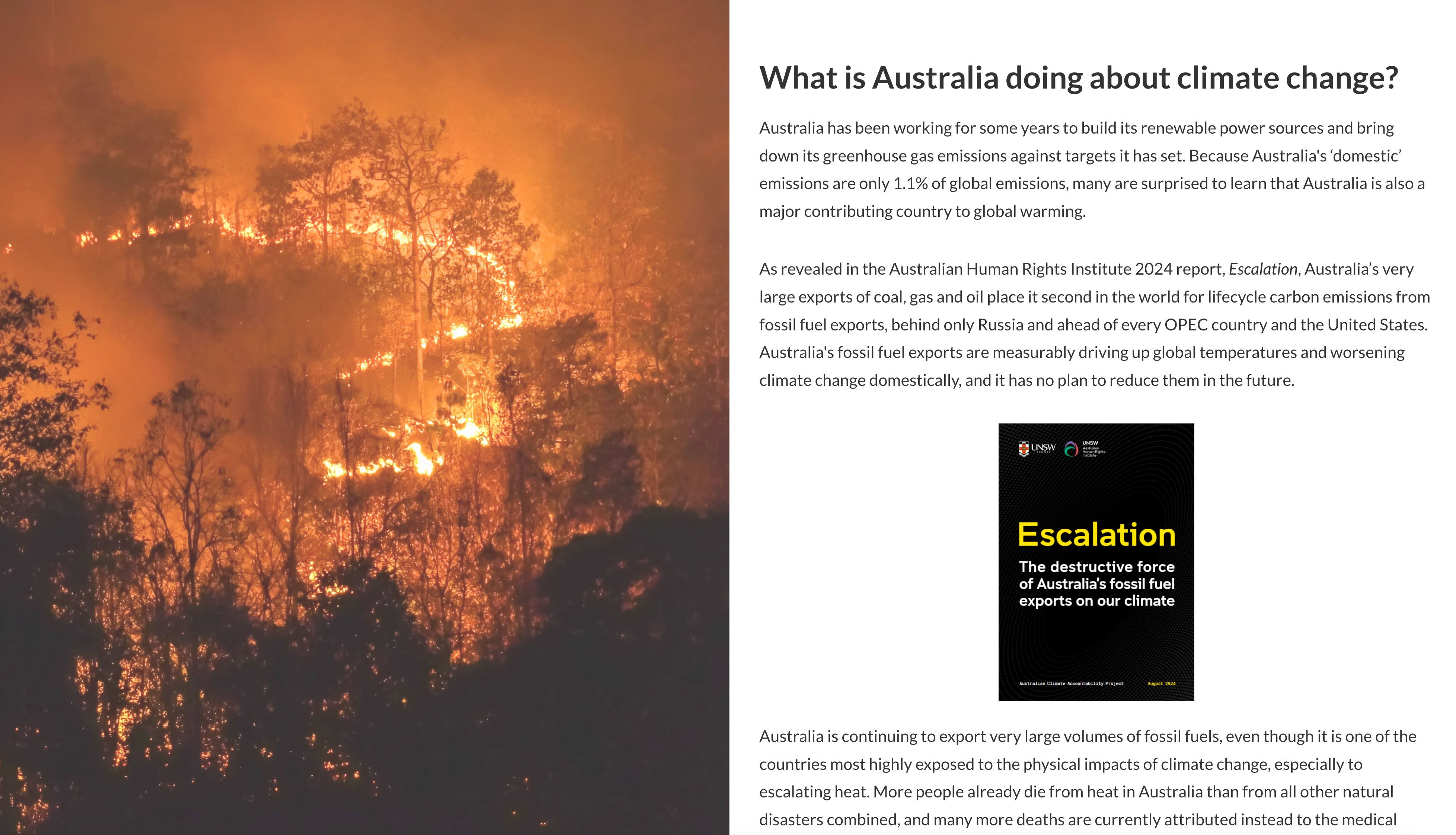
Key takeaway: If you use fictionalisation, earn trust with transparent sourcing — link to evidence, experts, and real-world data.
3 project case study examples
Climate wake up call
A worried mother struggling to pay energy bills to cool her house. A father who can’t work on hot days, so earns less money. An isolated grandmother who’s been told not to go outside. ‘Lisa’s Story’ is the fictionalised account of one family suffering through an intense summer in suburban Brisbane — and it doesn’t pull any punches.
Why it works: This fictionalised case study from the University of New South Wales Australian Human Rights Institute shows its working. A dedicated section outlines the real science behind the story, linking to sources covering the trends, events, and expert consultation that ensured it was accurate and grounded in fact.
Key takeaway: If you use fictionalisation, earn trust with transparent sourcing — link to evidence, experts, and real-world data.
Seattle street goes green

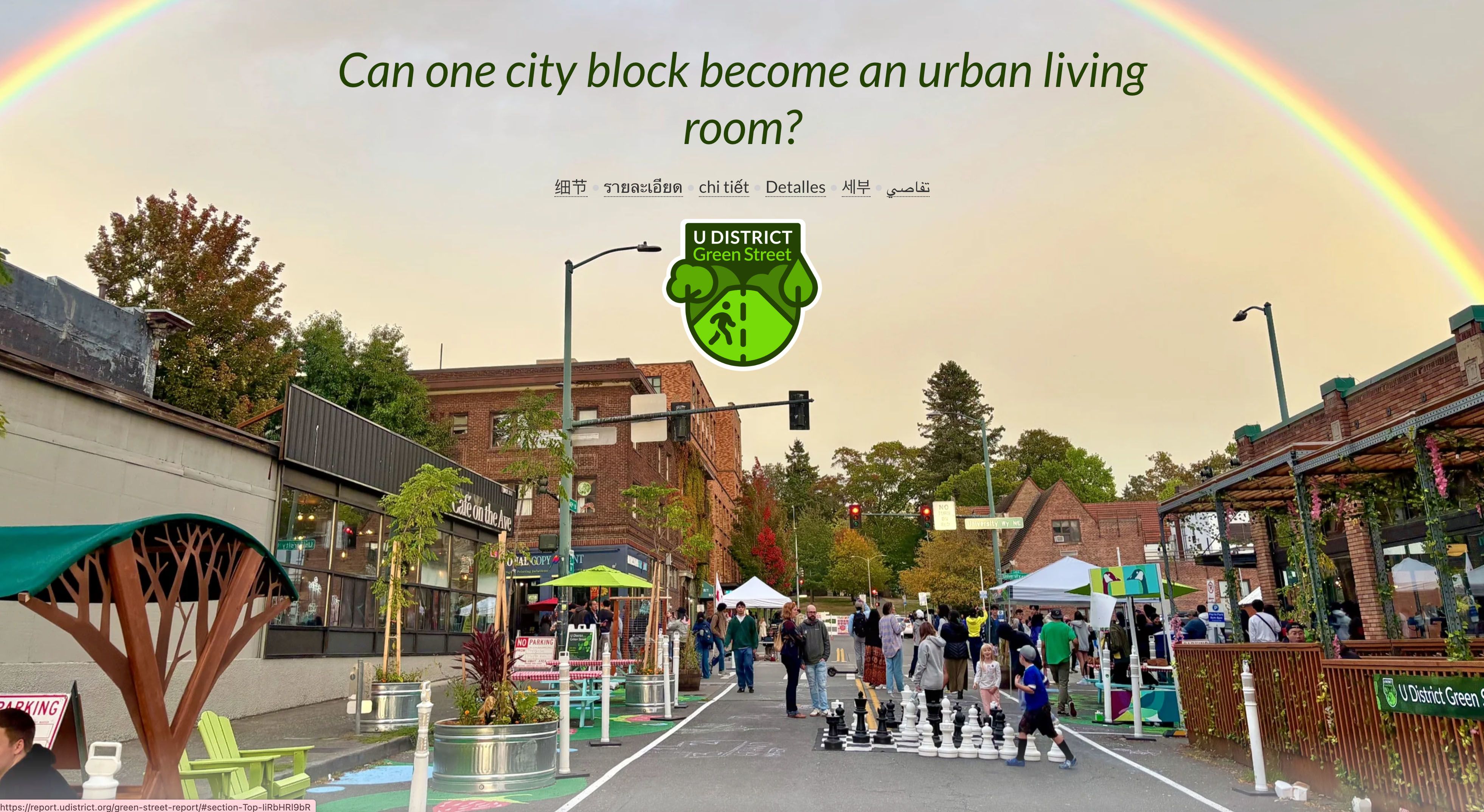
‘Can one city block become an urban living room?’ takes readers on a stroll down a vibrant Seattle strip. It’s the story of a community-led trial that turned a neighbourhood of local businesses into a ‘people street’: closed to motorists and activated with outdoor seating, games, and community events.

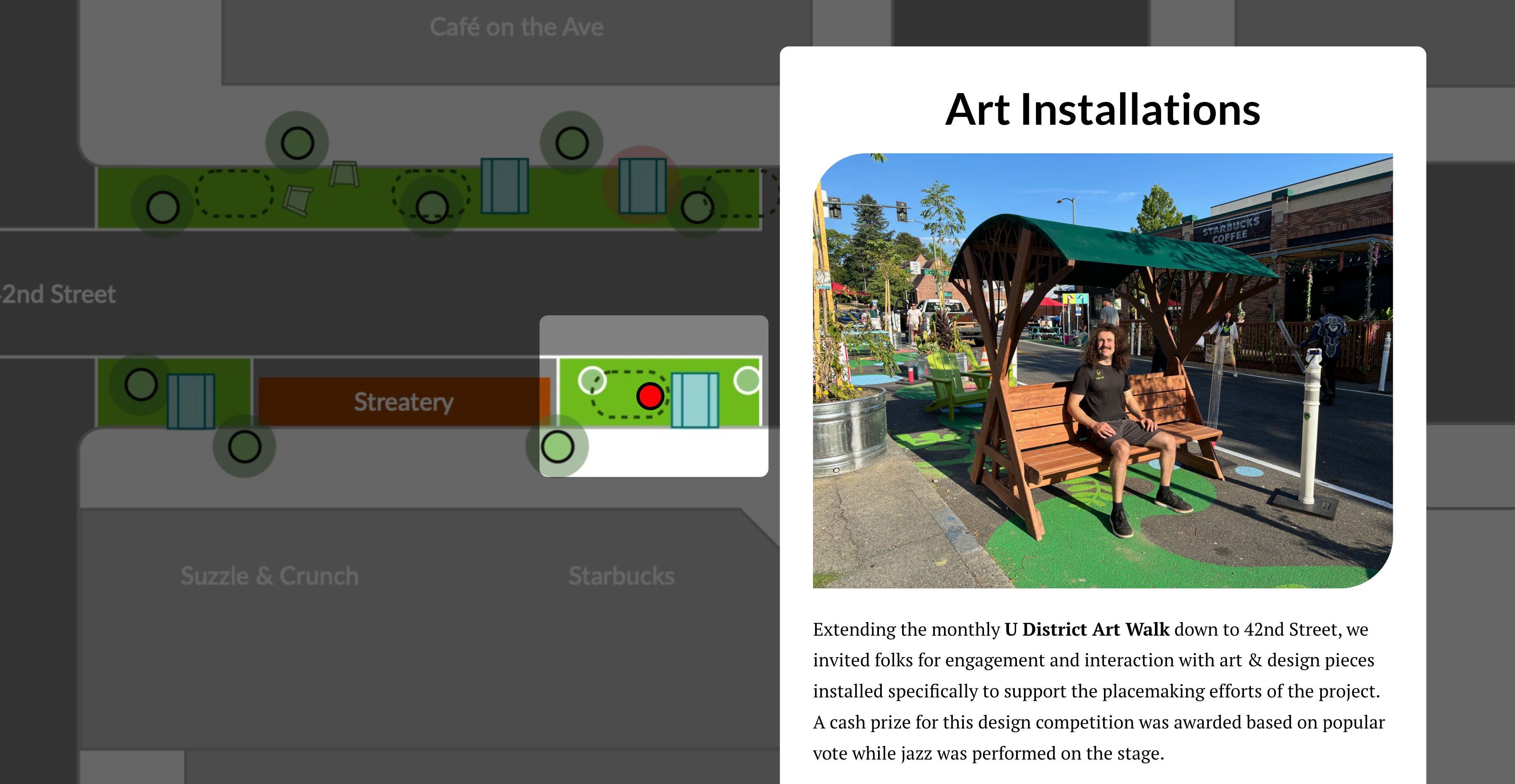
Why it works: With interactive maps and cheerful street photography, it outlines the project’s initiatives, then reveals its results — including boosted foot traffic and high visitor satisfaction. Importantly, it includes a feedback section on what could have been handled better, before delivering its final result: the community group received funding for the permanent transformation of E42nd Street into a people street.

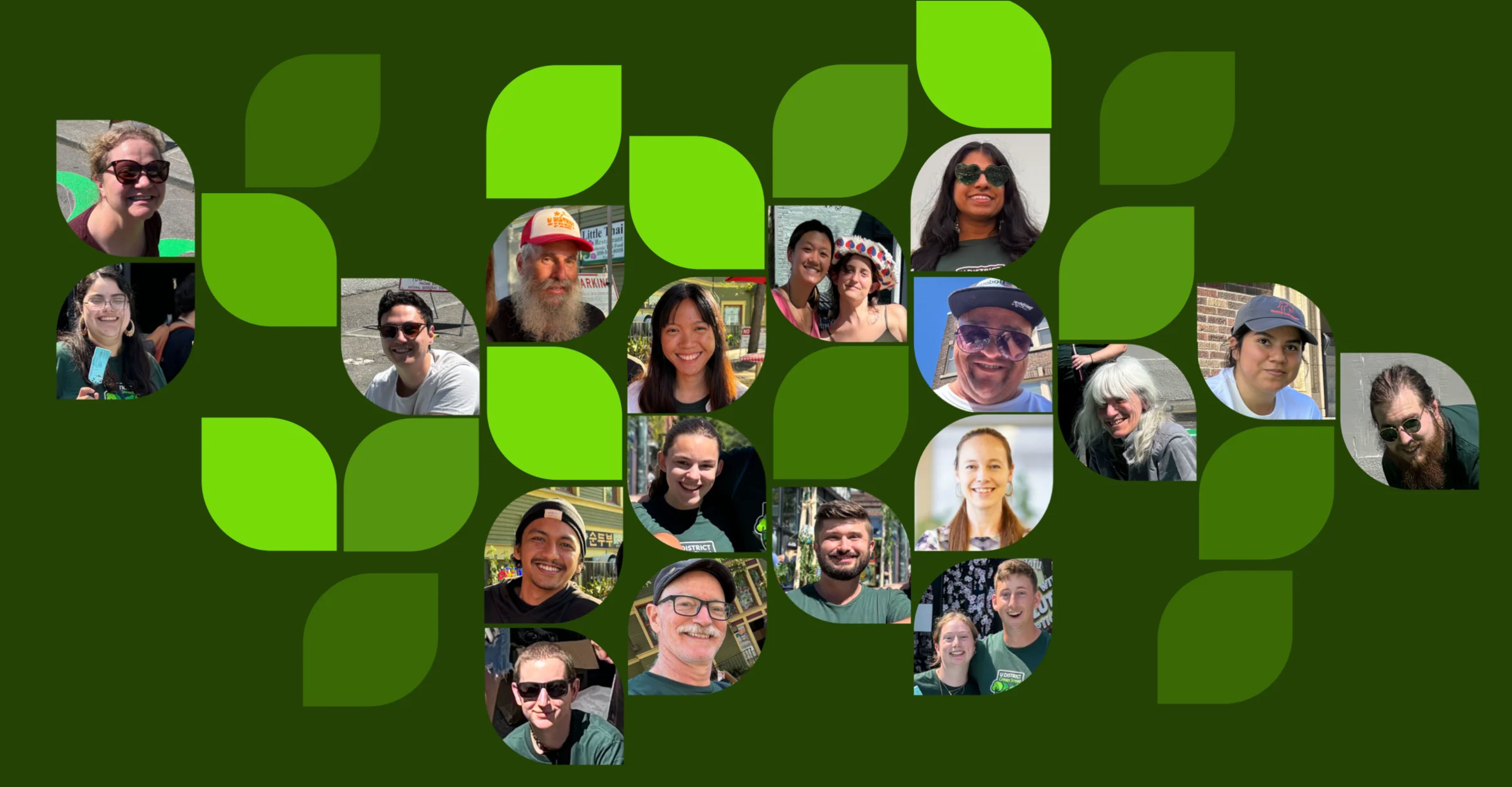
Key takeaway: Pair engaging visuals with measurable outcomes and include “what we’d change” feedback to build authenticity.
Seattle street goes green
‘Can one city block become an urban living room?’ takes readers on a stroll down a vibrant Seattle strip. It’s the story of a community-led trial that turned a neighbourhood of local businesses into a ‘people street’: closed to motorists and activated with outdoor seating, games, and community events.
Why it works: With interactive maps and cheerful street photography, it outlines the project’s initiatives, then reveals its results — including boosted foot traffic and high visitor satisfaction. Importantly, it includes a feedback section on what could have been handled better, before delivering its final result: the community group received funding for the permanent transformation of E42nd Street into a people street.
Key takeaway: Pair engaging visuals with measurable outcomes and include “what we’d change” feedback to build authenticity.
Boosting soil fertility at Boley Pastoral

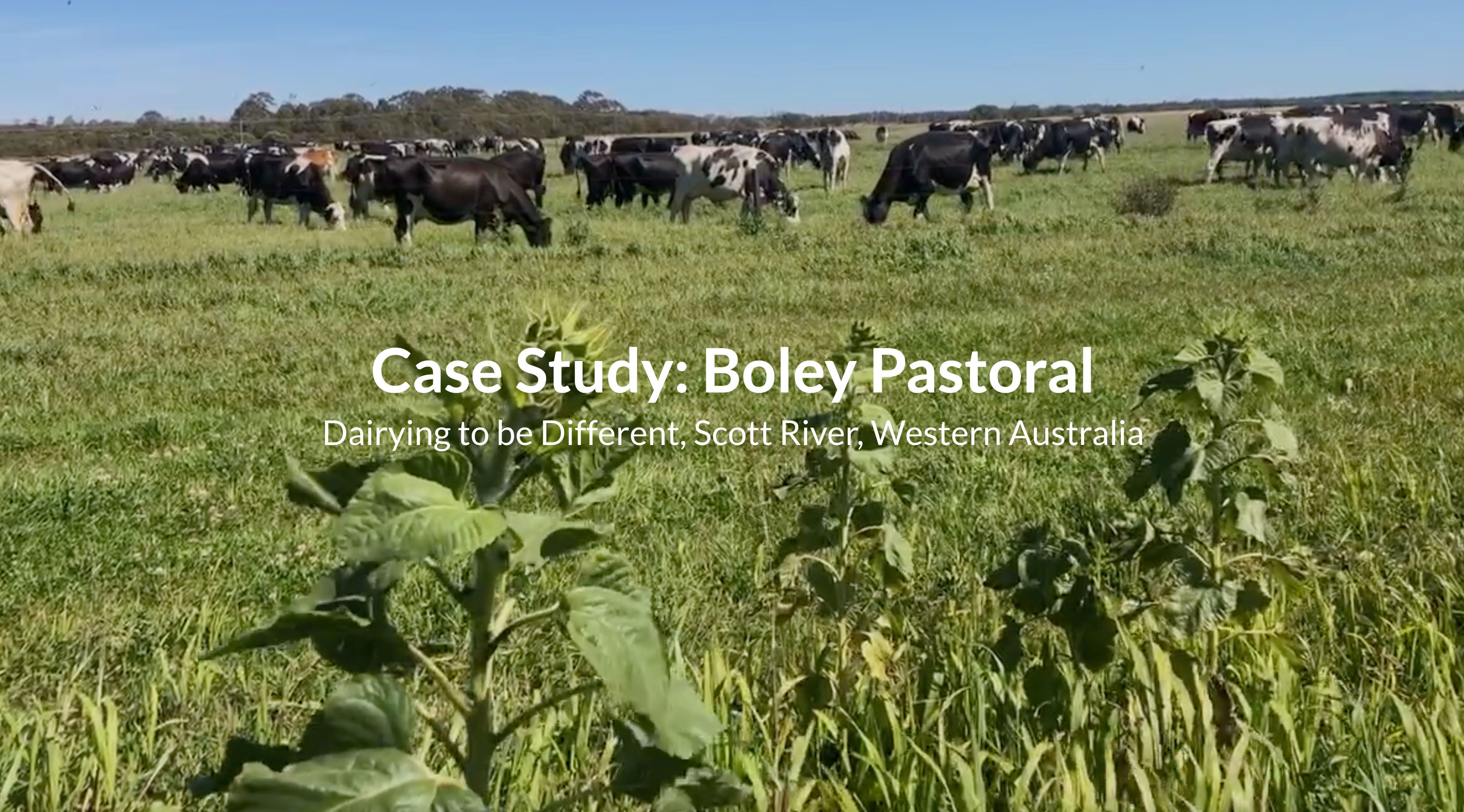
This case study by the Lower Blackwood Catchment Land Conservation District Committee visits the Boley family — dairy farmers in Western Australia who noticed declining soil fertility and longer paddock recovery times. By sharing their trials and lessons, it shows case studies don’t need to be nuts-and-bolts checklists of what happened and how it worked.
“We are on a learning curve ourselves,” farmer Brad is quoted as saying, “to see what works and what doesn’t.” Brad’s voice stays front and centre in pull quotes throughout the story.

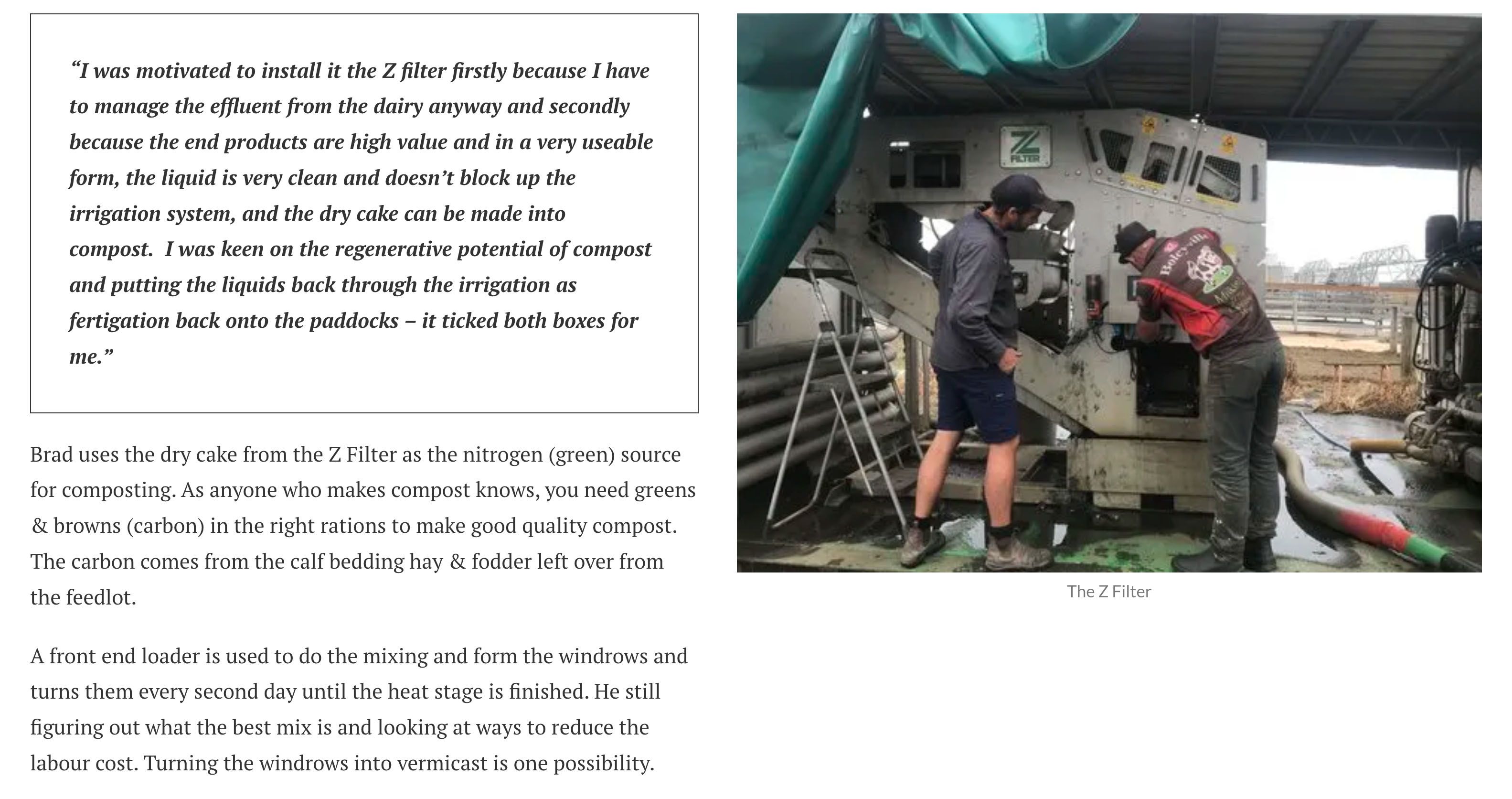
Why it works: By framing the approach and results as lessons in progress, it turns readers into learners, too — keen to scroll on, follow Brad’s discoveries, and stay engaged even if they’re unsure themselves. It’s a fantastic longform case study that gives readers a glimpse into the challenges of dairy farming life.

Key takeaway: Keep the focus on ongoing lessons to help readers feel invested in the project.
Boosting soil fertility at Boley Pastoral
This case study by the Lower Blackwood Catchment Land Conservation District Committee visits the Boley family — dairy farmers in Western Australia who noticed declining soil fertility and longer paddock recovery times. By sharing their trials and lessons, it shows case studies don’t need to be nuts-and-bolts checklists of what happened and how it worked.
“We are on a learning curve ourselves,” farmer Brad is quoted as saying, “to see what works and what doesn’t.” Brad’s voice stays front and centre in pull quotes throughout the story.
Why it works: By framing the approach and results as lessons in progress, it turns readers into learners, too — keen to scroll on, follow Brad’s discoveries, and stay engaged even if they’re unsure themselves. It’s a fantastic longform case study that gives readers a glimpse into the challenges of dairy farming life.
Key takeaway: Keep the focus on ongoing lessons to help readers feel invested in the project.
Free case study template

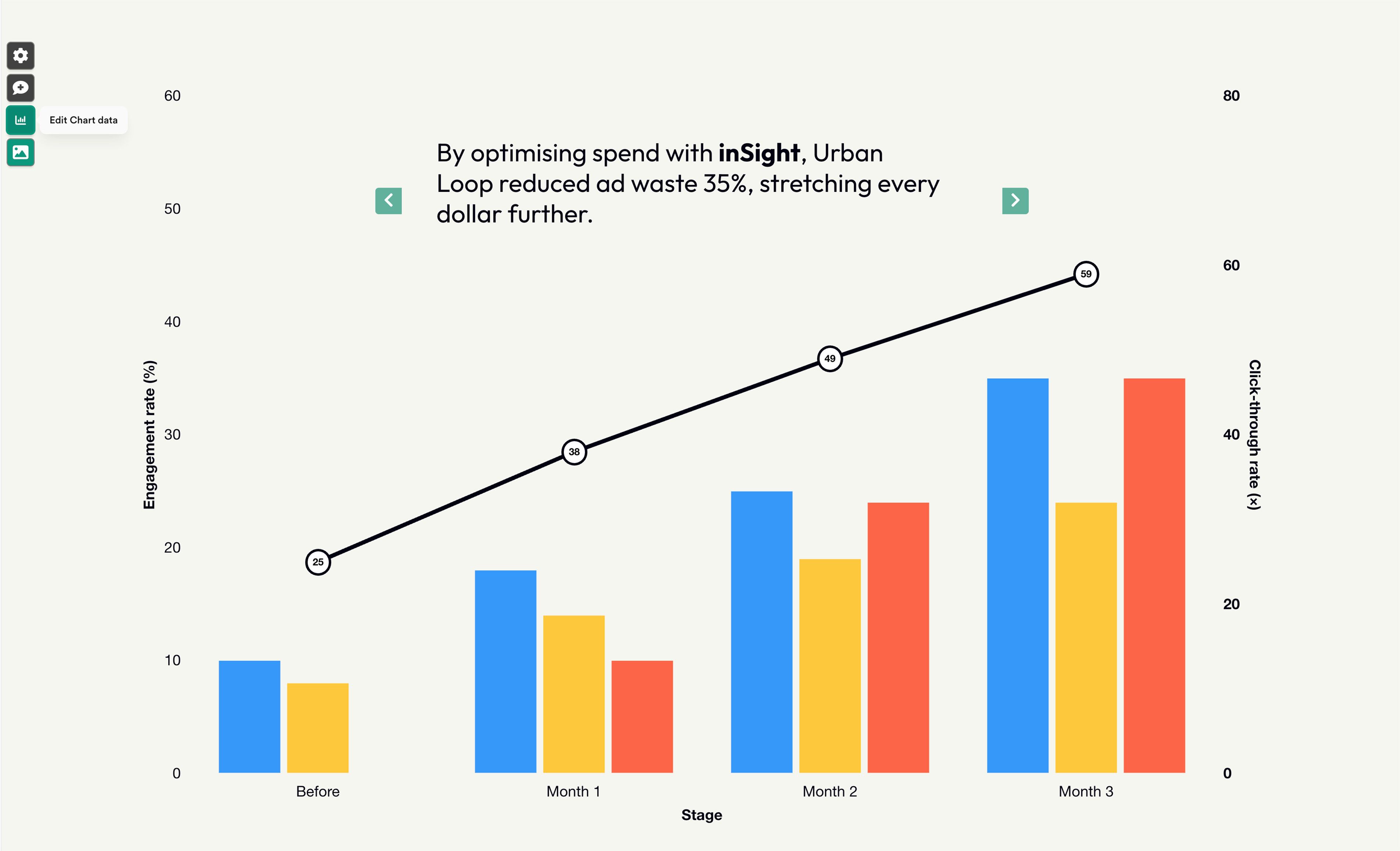
Interactive charts make it easy to build an engaging narrative around your case study results.
Interactive charts make it easy to build an engaging narrative around your case study results.


A visually immersive format hooks readers from the first scroll and guides them through the case study.
A visually immersive format hooks readers from the first scroll and guides them through the case study.
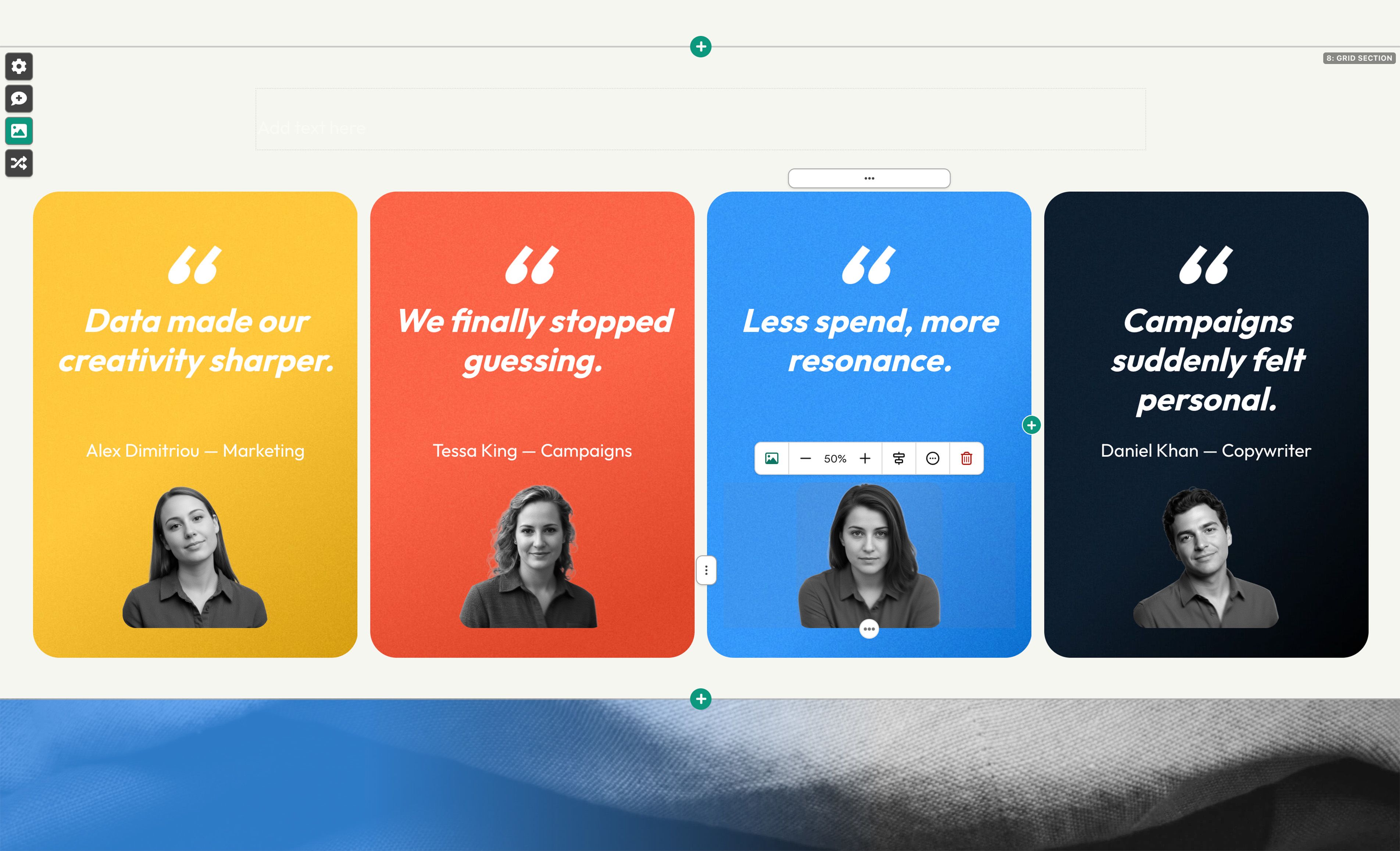
Quote cards present customer testimonials in an engaging, scannable format.
Quote cards present customer testimonials in an engaging, scannable format.
Dial up the conversions in Shorthand’s free case study template
This fictionalised B2B marketing case study template provides a structured way to publish immersive customer stories that prove impact. The SEO-ready layout makes it easy to create credible, results-focused customer success stories that can be tied back to campaign and project goals.
Card-style stats summaries and customer quote treatments allow you to show, not tell, in quick read results and pull quotes.
It’s fully customisable by design, features strong branding that can be adapted to users’ fonts and styles, and contains scroll-driven videos, images, and interactive charts.
Why it works: Using a ‘baseball card’ grid style, it surfaces positive results early for time-poor readers before moving into a longer case study. Team member testimonials work brilliantly in quick-grab, card-style quotes — keeping the success story focused on user satisfaction, not a sales pitch. Importantly, it also includes a clear ‘Let’s talk’ contact CTA for potential customers.
Key takeaway: Surface the outcome early in a scannable ‘results card’, then back it up with quotes and visuals before a single, clear conversion CTA.
Case study FAQs
Why are case studies good for marketing?
Case studies are strong marketing assets because they let your brand:
- demonstrate client understanding by outlining context
- showcase your product or service in action
- include testimony from happy customers — not just more promotional material in your own voice
- demonstrate impact with positive results that solve a problem for your client
What is the format of a good case study?
The case study format typically includes:
- an explanation of the background and context of the issue
- the client, subject, or community’s pain point or need
- the solutions implemented
- their results
- key takeaways
- a call to action
In the examples above, you’ll see some that adhere tightly to this format in their headings and structure, and others that use it as more of a guide, including these elements in their story as they go.
What are the different types of case studies?
- Marketing case studies are content marketing assets developed by brands to demonstrate the effectiveness of their products or services.
- Project case studies are used by governments, institutions, or community organisations to demonstrate the outcomes of a particular development, initiative, or event.
- Scientific and research case studies are used in the academic community, providing detailed analysis to review a particular experiment, trend, or project.

 Built with Shorthand